English
×
Search
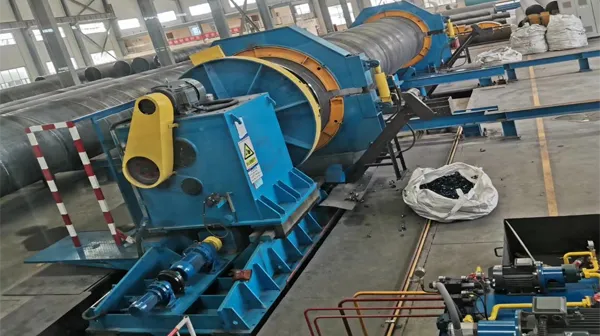
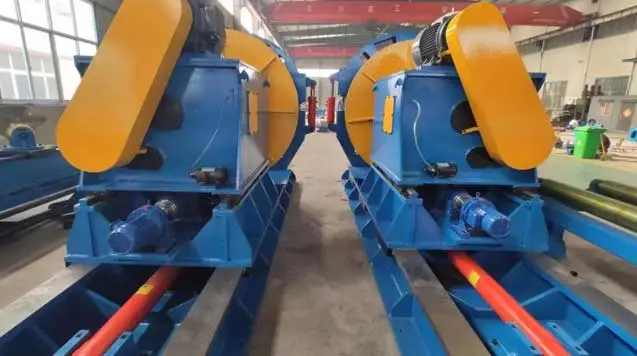
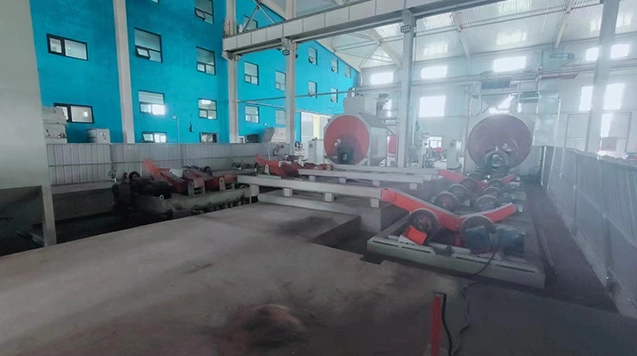
A spiral welded pipe mill is a crucial piece of machinery in the production of high-quality steel pipes, often used in demanding industries such as oil and gas, construction, and water management. Given the substantial investment in these machines, it is essential to maintain them properly to extend their service life and maximize productivity. Regular maintenance ensures that the spiral welded pipe production line operates at peak efficiency, minimizes unexpected downtime, and avoids costly repairs. The following strategies will help ensure that a welded pipe production line remains in optimal condition throughout its operational lifespan.
Regular maintenance is key to the longevity and efficient operation of a spiral welded pipe mill. One of the most important aspects of routine maintenance is checking the alignment and calibration of the machine. Misalignments can cause excessive wear on parts such as the forming rolls, welding heads, and the pipe's longitudinal seams. Regularly inspecting these components and adjusting them as needed ensures that the mill produces high-quality pipes with minimal defects. Additionally, cleaning the mill's various components, such as rollers and welding equipment, is critical for preventing the buildup of debris, dust, and slag, which can cause blockages or inefficiencies in the production process. Ensuring that the mill's lubrication systems are working effectively is also vital in reducing friction and minimizing wear on moving parts in the steel pipe production line.
One of the most critical aspects of maintaining a spiral welded pipe mill is ensuring that the lubrication and cooling systems are functioning properly. These systems are designed to reduce friction and prevent overheating, which can lead to severe damage to the machine. The welding and forming processes within a spiral welded pipe mill generate significant heat, and without a proper cooling system, the temperature can rise to levels that may damage key components. Furthermore, the lubrication system helps prevent excessive wear on the mechanical parts, including gears, motors, and bearings. Regularly checking and replacing lubricants and cooling fluids, as well as inspecting pumps and filters, is crucial to maintaining smooth operation and extending the life of the mill.
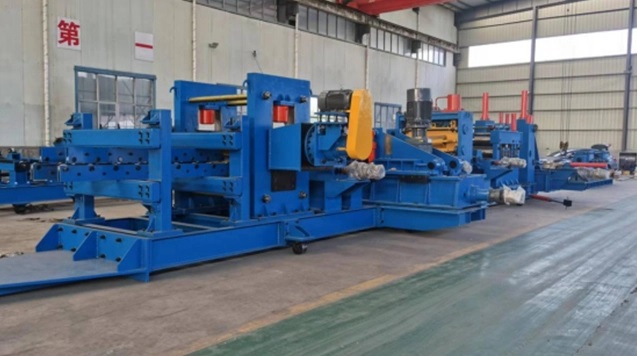
Another critical aspect of maintenance involves performing regular inspections of key components in the spiral welded pipe mill. Over time, parts such as rollers, welders, and cutters can experience wear and tear, which can lead to operational issues. By conducting thorough inspections, manufacturers can identify and replace worn-out components before they cause major problems. This proactive approach helps avoid costly downtime and keeps the production line running smoothly. Additionally, components like the welding electrodes, rollers, and forming tools should be replaced according to the manufacturer's recommended schedule. Replacing these parts at regular intervals ensures the mill operates with the highest efficiency, reduces defects in the finished pipes, and contributes to a more consistent product quality. This is especially important when integrated with processes involving the automatic steel pipe chamfering machine.
To fully understand how maintenance impacts the longevity of a spiral welded pipe mill, it's important to compare preventive maintenance with reactive maintenance. Preventive maintenance involves scheduled inspections and upkeep of the mill, ensuring that potential issues are addressed before they escalate into major problems. On the other hand, reactive maintenance occurs when a part or system fails, requiring immediate repair or replacement. While reactive maintenance may seem like a less costly option in the short term, it often results in more extended downtime, more expensive repairs, and higher overall costs. Below is a comparison of the two maintenance strategies:
Feature | Preventive Maintenance | Reactive Maintenance |
Cost | Lower long-term cost due to fewer repairs and replacements | Higher long-term cost due to frequent breakdowns |
Downtime | Minimizes downtime, as issues are caught before they cause failure | Longer downtime as machines must be repaired after failure |
Machine Lifespan | Prolongs the life of the machine by preventing wear and tear | Shortens the lifespan of the machine due to neglect |
Quality | Consistent, high-quality production | Inconsistent product quality due to malfunctioning parts |
Efficiency | Higher operational efficiency due to smooth, reliable operation | Lower efficiency due to breakdowns and repairs |
By adopting a preventive maintenance strategy, manufacturers can save time and money, ensuring that their China welded pipe making machine options and associated mills continue to deliver high-quality pipes over a longer period.
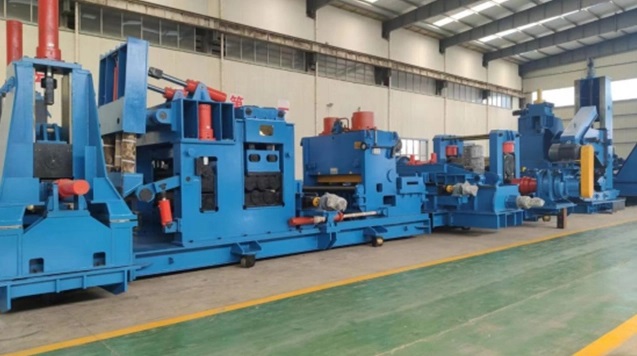
For a spiral welded pipe mill to continue operating at its best, it is not only important to have regular maintenance checks but also to ensure that operators and maintenance personnel are adequately trained. Proper training ensures that staff members can identify early warning signs of issues, conduct maintenance tasks correctly, and safely handle the equipment. Furthermore, well-trained operators can optimize the settings of the mill to improve both efficiency and product quality. Continuous training programs for staff are essential to stay updated with the latest technologies and maintenance techniques. Investing in staff training can also reduce the likelihood of human error, which is often the cause of avoidable machine malfunctions and inefficiencies.
Maintaining a spiral welded pipe mill is crucial to ensuring its long-term operation and reliability. Routine maintenance, proper lubrication and cooling systems, regular inspections, and the adoption of preventive maintenance practices all contribute to extending the life of the mill. By ensuring that all components are well-maintained and by implementing a proactive approach to equipment care, manufacturers can optimize the efficiency of their spiral pipe production line and avoid costly repairs and downtime. Staff training also plays an important role in maintaining the mill's performance. For manufacturers looking to enhance their operations, adopting these maintenance strategies will lead to better productivity, higher-quality pipes, and a more reliable manufacturing process.
References:
1. Pipe Production Line Basics - The Fabricator
2. Welding Processes for Pipe Production - AWS Welding Journal
3. Preventive Maintenance for Manufacturing Equipment - Plant Engineering