How Should Buyers Choose a Spiral Pipe Mill for Their Target Pipe Specification?
Introduction
Choosing a spiral pipe mill starts with the pipe specifications the buyer needs to produce, not simply the largest diameter listed in a catalogue. Outside diameter, wall thickness, steel grade, coil dimensions, output targets, and inspection requirements should be evaluated together. Buyers should ask suppliers to confirm the feasible product range and identify any limitations in the proposed configuration.
1. Define Pipe Dimensions and Material
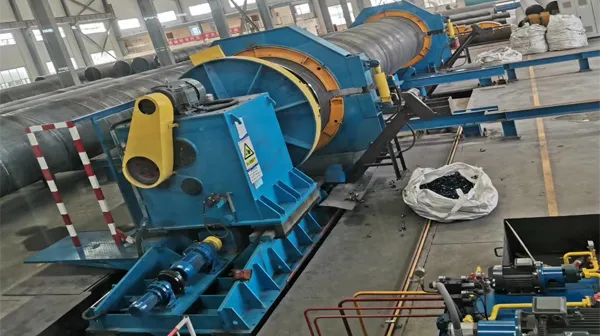
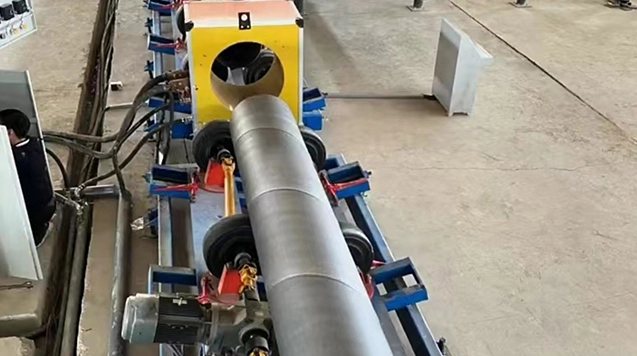
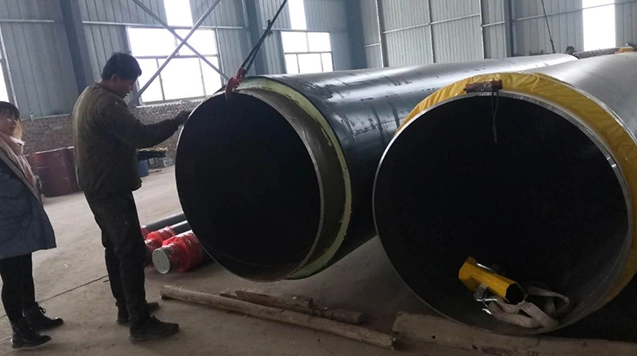
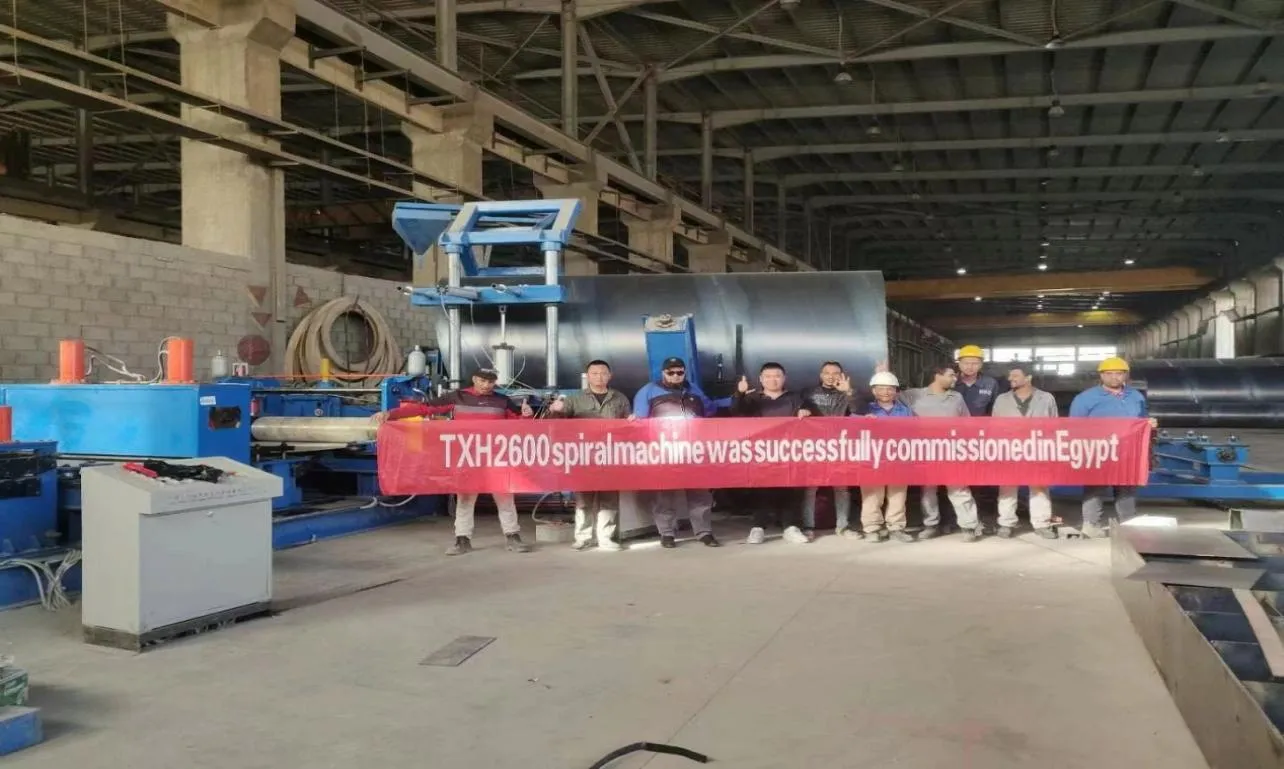
Provide an OD–WT matrix rather than a single maximum diameter. A machine's maximum OD does not confirm that it can produce every required wall thickness at that diameter. Tianxianghao project references illustrate different production requirements: a Bangladesh spiral pipe mill covering 630–3,620 mm OD and 6–25.4 mm WT, and an Egypt thin-wall line covering 1,400–2,600 mm OD and 1–3 mm WT. These examples highlight why buyers should verify the required diameter and thickness combinations rather than rely on a machine's maximum OD alone.
Explore Tianxianghao’s Bangladesh Project
Explore Tianxianghao’s Egypt Project
2.Match Steel Coil Width and Material to the Mill
Check that the mill can handle the available coil width, thickness, weight, inner diameter, and outer diameter. The steel grade must also suit the target pipe specifications and the mill's forming and welding capabilities.
Coil width and forming angle affect the feasible pipe diameter range, so ask the supplier to confirm compatible combinations for the proposed forming design. Verify that the mill can process the steel grades and thicknesses in your purchasing plan, and check that coil handling, leveling, edge preparation, and strip feeding equipment match the planned production range.
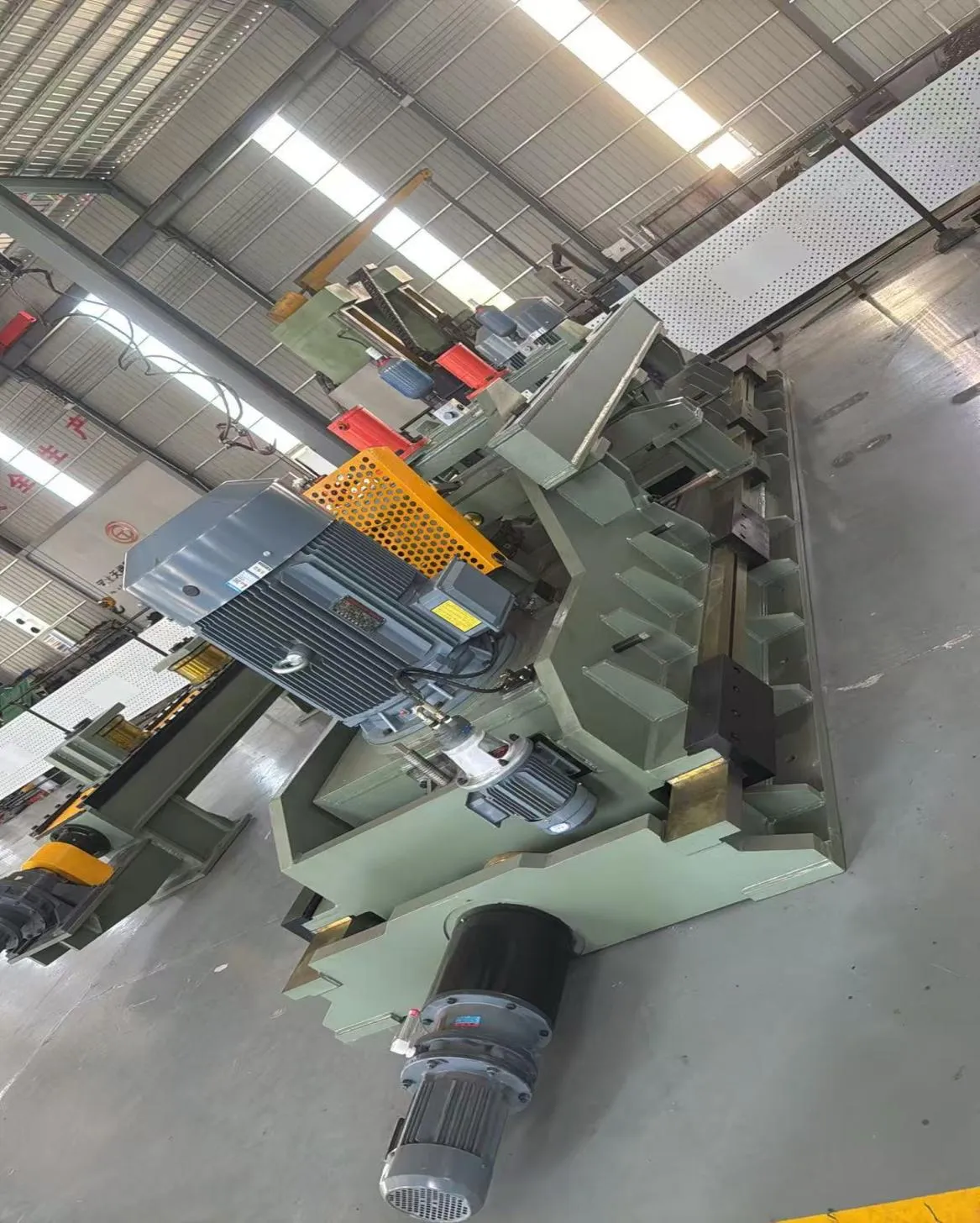
3.Match the Core Equipment
Match the spiral mill to the required coil width and forming range. Specify the pipe-end facing machine according to the required pipe diameter, wall thickness, and end-preparation requirements. Select the hydrostatic tester according to the required pipe dimensions and test conditions, and ensure that the handling system can support the heaviest finished pipe. Check that all quoted equipment covers the planned production range.
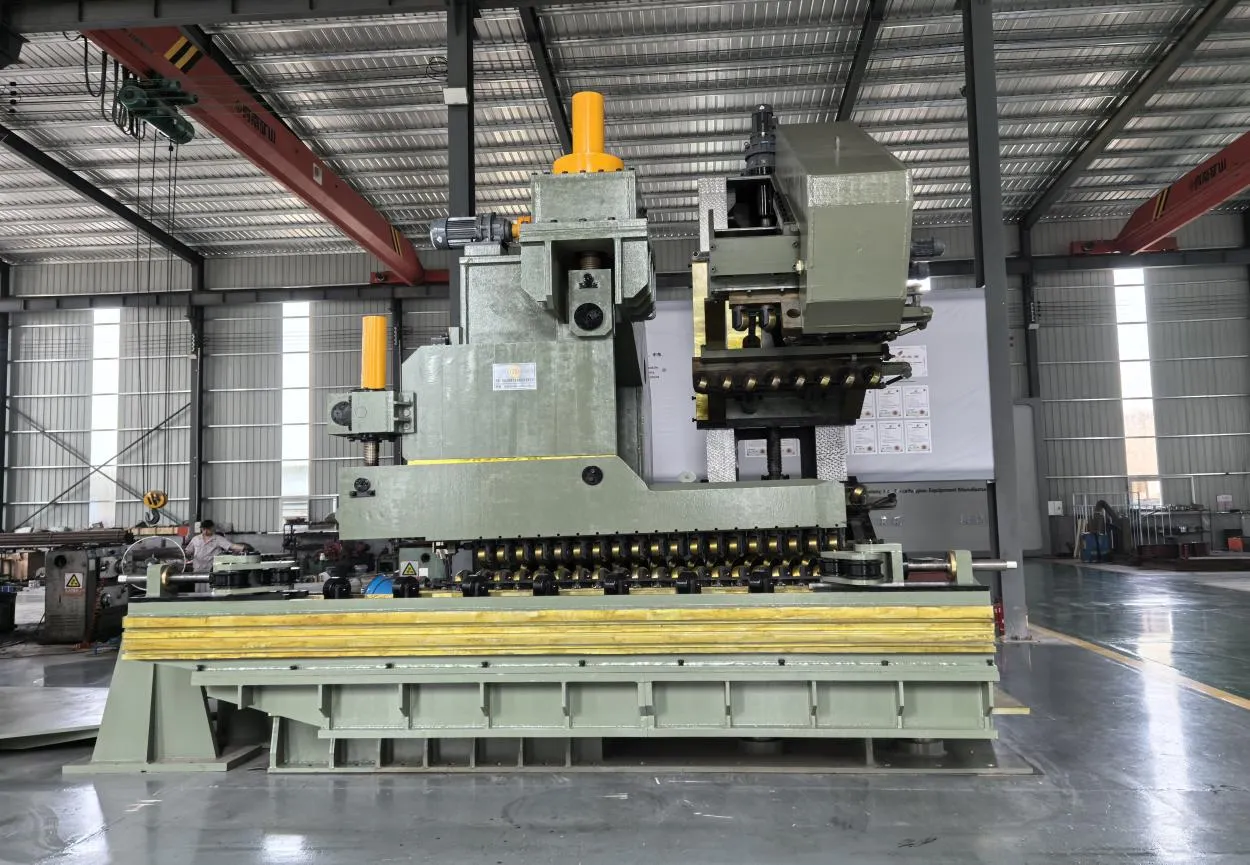
4.Compare Production Capacity with Actual Demand
Evaluate capacity against your planned product mix, operating schedule, and required pipe specifications rather than annual output alone. Request production estimates for representative OD–WT combinations, including the most demanding specifications in your plan, and ask suppliers to state their assumptions. Also verify the required factory space and installed power.
5.Check Inspection and Product Quality Requirements
Define the inspection methods, documentation, and acceptance criteria required by the pipe's intended application and applicable product standard.
Inspection equipment should follow the product standard, not a default package. Define test pressure, hold time, and whether NDT is in-scope before comparing prices. Tianxianghao’s delivered scope includes hydrostatic testers for USA (254–508 mm) and Brazil (630–3,620 mm), and a 2,640 mm facing/chamfering machine for India — each configured to the buyer’s specific inspection requirement, not a one-size-fits-all package.
Explore Tianxianghao’s USA Project
Explore Tianxianghao’s India Project
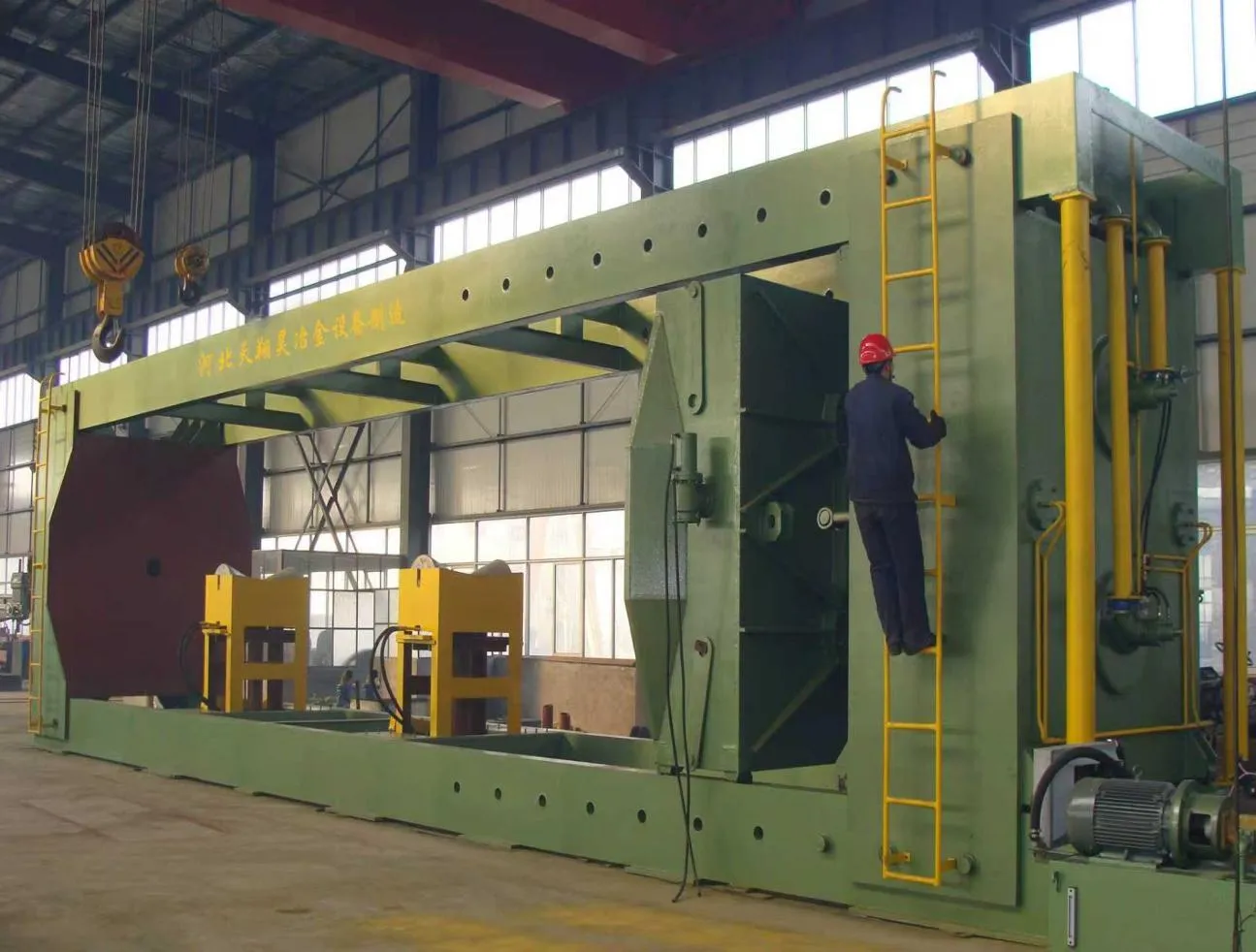
Confirm which inspection equipment is included or optional, and ensure that the required tests and documentation can be verified during acceptance.
6.Verify the Turnkey Scope
Confirm whether the quotation includes the spiral mill, pipe-end facing machine, hydrostatic tester, handling system, installation, and commissioning, and identify all optional or excluded items.
Conclusion
Choosing a spiral pipe mill requires matching the required pipe dimensions, material, coil specifications, production targets, and inspection needs with the proposed equipment configuration. Buyers should compare suppliers using consistent technical assumptions, verify relevant project references, and clarify included and excluded equipment. A project-specific assessment is more useful than choosing a machine based on its largest advertised diameter alone.
FAQ
1. What is the most important factor when choosing a spiral pipe mill?
Start with the required OD–WT combinations, then verify coil compatibility, material grades, production targets, and quality requirements.
2. How does steel coil width affect mill selection?
Coil width and forming design affect the feasible pipe diameter range. Confirm that the proposed mill can process the coils available from your steel supplier.
3. Should buyers choose a mill with the highest annual capacity?
Not necessarily. Compare production estimates for your actual pipe specifications, product mix, and operating schedule rather than relying on headline output alone.
4. What inspection equipment should buyers consider?
The required equipment depends on the pipe's intended application and applicable standard. Confirm the necessary tests, equipment scope, and acceptance documentation before ordering.