What Should Be Included in a Spiral Pipe Mill RFQ
Introduction
A clear request for quotation (RFQ) helps a spiral pipe mill supplier evaluate the required pipe range, material specifications, production targets, and equipment scope. Buyers should provide confirmed data where available and clearly identify estimates or unresolved requirements. This allows suppliers to assess the proposed configuration and identify technical questions before preparing a quotation.
1. Specify Pipe Dimensions and Materials
Specify the minimum and maximum pipe outside diameters, required wall thicknesses, finished pipe lengths, steel grades, and applicable product standards. Identify the sizes produced most frequently and provide representative diameter–thickness combinations. Do not assume that the maximum diameter and maximum wall thickness can be achieved simultaneously; ask the supplier to confirm the required combinations.
Tianxianghao’s delivered projects illustrate this variation in pipe-size requirements. A European line covers a wide OD range of 406–2,232 mm with a maximum WT of 25.4 mm, while a Bangladesh project spans 630–3,620 mm OD and 6–25.4 mm WT. Extreme requirements are also addressed, such as the Egypt thin-wall project (1,400–2,600 mm OD, 1–3 mm WT) and the Vietnam heavy-wall project (630–3,220 mm OD, maximum WT 25.4 mm).
Explore more Tianxianghao cases to verify relevant experience.
Explore Tianxianghao’s Bangladesh Project
Explore Tianxianghao’s Egypt Project
Explore Tianxianghao’s Vietnam Project
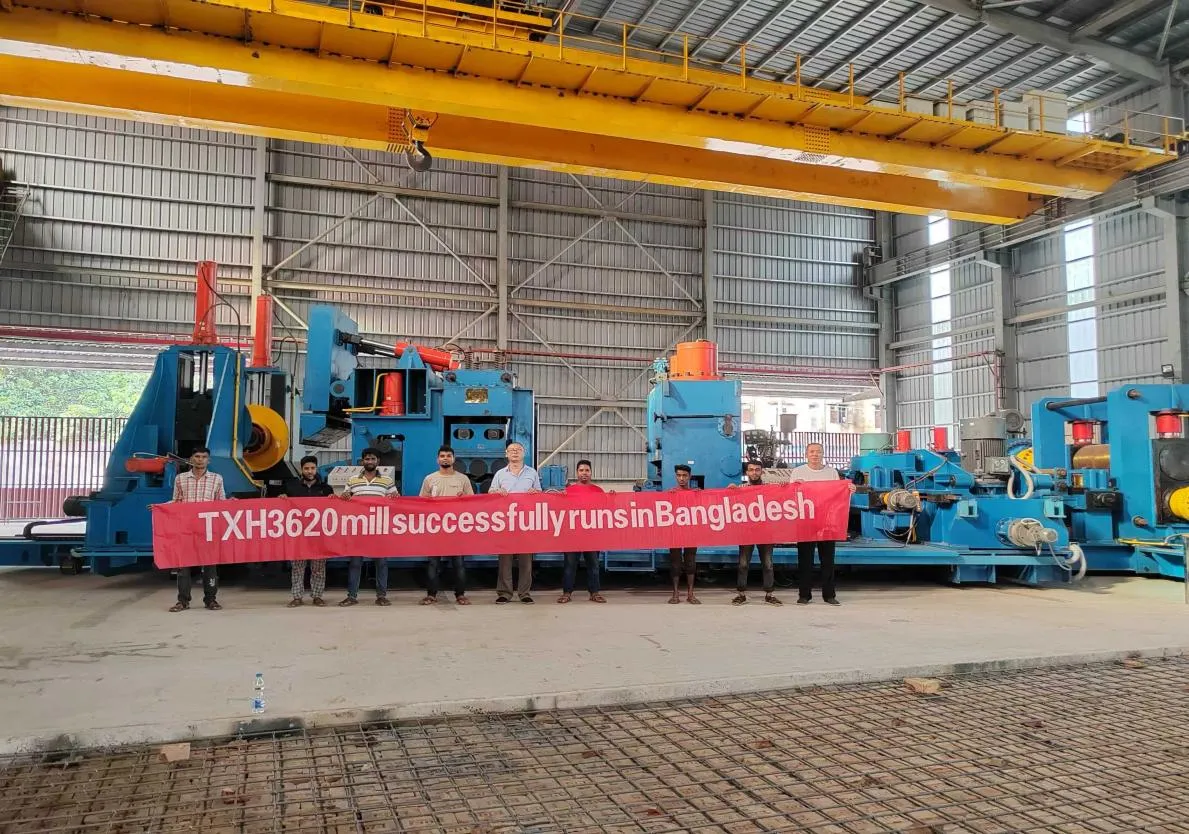
Use these references to identify relevant project experience, but specify your own required OD–WT combinations in the RFQ.
RFQ item | Information to provide |
Pipe specifications | OD, wall thickness, length, steel grade, applicable standard |
Steel coil | Width, thickness, available coil dimensions and weight where known |
Production targets | Main product sizes, annual output target, operating schedule |
Inspection | Required tests, acceptance criteria, applicable standards |
Equipment scope | Spiral mill, pipe-end facing machine, hydrostatic tester, pipe handling system as required |
Factory conditions | Available space, utilities, lifting and handling constraints |
Commercial requirements | Target delivery date, documentation, requested services and exclusions |
2. Define Capacity and Operating Conditions
State the expected annual output, operating shifts, and main pipe sizes. If hourly output or line speed is important, identify the relevant product dimensions and operating assumptions. Ask the supplier to distinguish estimated output from any contractually guaranteed performance, and to explain the conditions used in its calculation.
3.Define the Equipment and Supply Scope
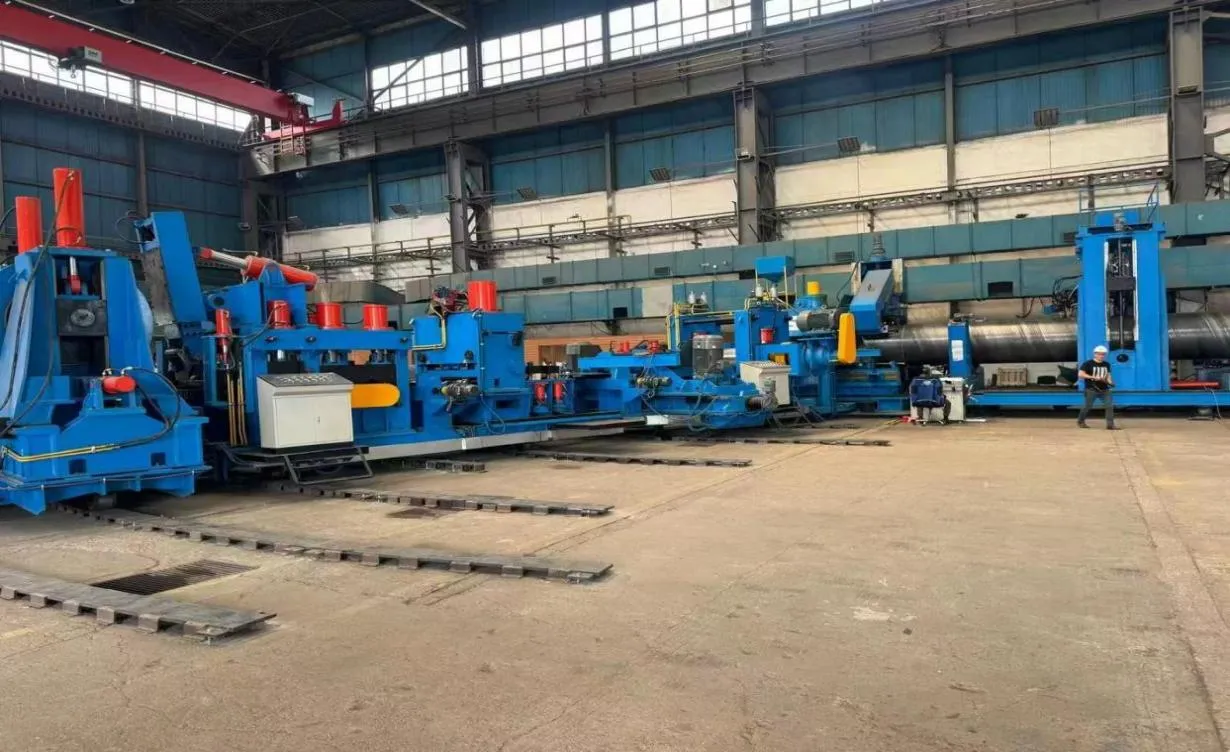
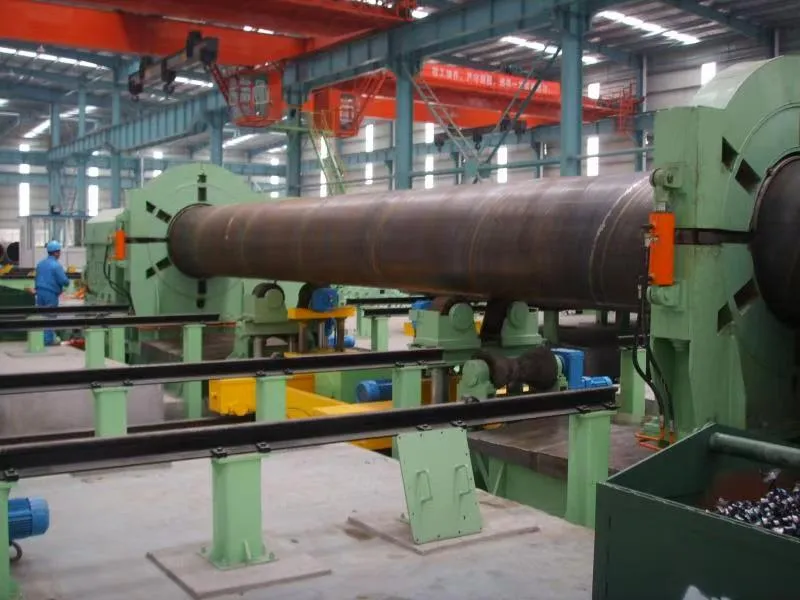
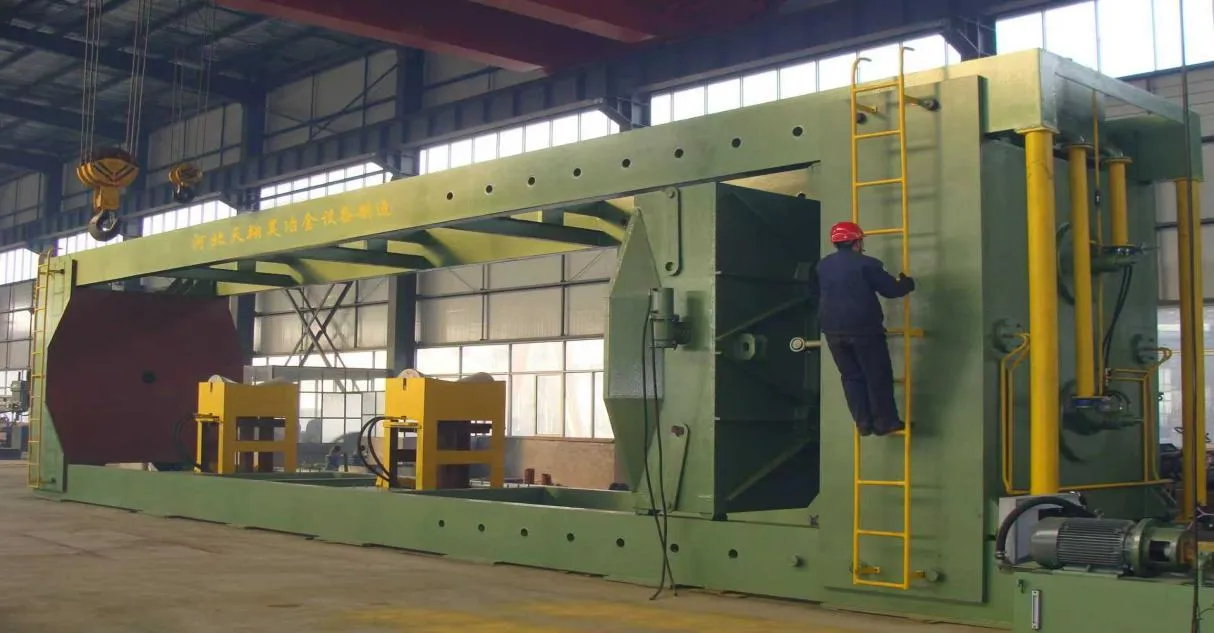
List the equipment required for the project and identify what is already available at the factory. Specify whether the quotation should cover the spiral pipe mill, pipe-end facing machine, hydrostatic tester, and pipe handling system. Ask the supplier to mark each item as included, optional, or excluded. Any additional welding, coating, or inspection requirements should be listed separately when relevant to the project.
Tianxianghao references include a 2,640 mm pipe-end facing machine for India and hydrostatic testing equipment for projects in the USA and Brazil. See the relevant project records for details.
4.State Quality and Testing Requirements
State the applicable product standard, required inspection methods, dimensional tolerances, and acceptance criteria. If hydrostatic testing or other non-destructive testing is required, specify the relevant requirements and ask the supplier to identify the equipment and services included in the quotation. Any factory acceptance test or performance guarantee should have agreed criteria documented before the order is placed.
5. Provide Site and Utility Information
Provide available factory space, layout constraints, foundation information, lifting capacity, and utility availability. Ask the supplier to confirm any additional site data needed for layout and installation planning.
6. Set Delivery and Acceptance Milestones
Provide the available factory space, electrical supply, lifting capacity, and other known installation constraints. State the target delivery schedule and identify whether installation, commissioning, training, documentation, warranty, or after-sales support should be included in the quotation. Ask the supplier to distinguish confirmed commitments from optional services and items requiring further agreement.
7. Include Commercial Terms and After-Sales Support
Specify the delivery destination, quotation currency, payment terms, warranty requirements, and expected after-sales support. Ask suppliers to itemize the costs of main equipment, optional units, installation, training, spare parts, and special tools, and to identify the technical documents included in the quotation.
Conclusion
A useful spiral pipe mill RFQ should define the required pipe specifications, coil data, production targets, inspection requirements, factory conditions, and equipment scope. Buyers should distinguish confirmed data from estimates and ask suppliers to identify assumptions, exclusions, and optional services. Clear requirements make technical proposals easier to evaluate and compare.
FAQ
1. Should I specify both pipe diameter and wall thickness?
Yes. List the required OD–WT combinations. A machine's maximum diameter alone does not confirm that it can produce every required pipe specification.
2. Should production capacity be included in the RFQ?
Yes. State the target output, shift pattern, and expected product mix. Ask suppliers to explain the operating assumptions behind their capacity estimates.
3. Which quality requirements should I specify?
Identify the applicable product standard, dimensional tolerances, required inspections, and any hydrostatic testing or NDT requirements.
4. How can I compare spiral pipe mill quotations fairly?
Use the same specification and supply-scope checklist for every supplier. Compare included equipment, performance guarantees, acceptance conditions, delivery, and after-sales support—not just the headline price.