What Information Should Buyers Provide Before Requesting a Spiral Pipe Mill Quotation?
Introduction
A useful spiral pipe mill quotation requires more than a target pipe diameter. Buyers should provide their product specifications, steel coil data, output targets, inspection requirements, and site conditions so the manufacturer can evaluate the proposed line. Where details remain uncertain, mark them clearly for technical confirmation.
1. Define the Required Pipe Specifications
The first step is to provide a clear product specification range. If certain dimensions account for most orders, list those frequently produced sizes separately from occasional products. This helps the manufacturer evaluate the required forming range rather than selecting equipment based on one nominal pipe size.
Equipment models can have different minimum and maximum dimensions. Define the product schedule as diameter–thickness combinations. A single maximum OD figure is not an RFQ specification. For example, Tianxianghao ’s Egypt thin-wall project covers 1,400–2,600 mm OD and 1–3 mm WT, illustrating why buyers should provide a full specification range. See the relevant.
Explore Tianxianghao’s Egypt Project
List the minimum and maximum outside diameters, wall thicknesses, and finished pipe lengths, along with the sizes most frequently produced. Distinguish the full production range from the main commercial sizes, and provide representative OD–WT combinations rather than a single maximum diameter. Also state the pipe application and applicable product standard.
A useful starting table for an RFQ is:
Information to provide | What buyers should specify |
Pipe outside diameter | Minimum, maximum, and commonly produced sizes |
Wall thickness | Minimum, maximum, and thicknesses required most often |
Pipe length | Standard finished length and any alternative lengths |
Product application | For example, water transmission, gas transmission, or structural use |
Applicable product standard | Exact standard and required edition, where applicable |
2. Provide Steel Coil and Production Data
Specify the available coil width, thickness, steel grade, inner and outer diameters, and maximum coil weight where known. State the annual output target, operating shifts, and main pipe sizes. Ask the supplier to explain the assumptions behind its capacity estimate, including the product dimensions and operating conditions. Estimated, nominal, and contractually guaranteed output should be clearly distinguished.
3. Confirm Process, Equipment, and Inspection Requirements
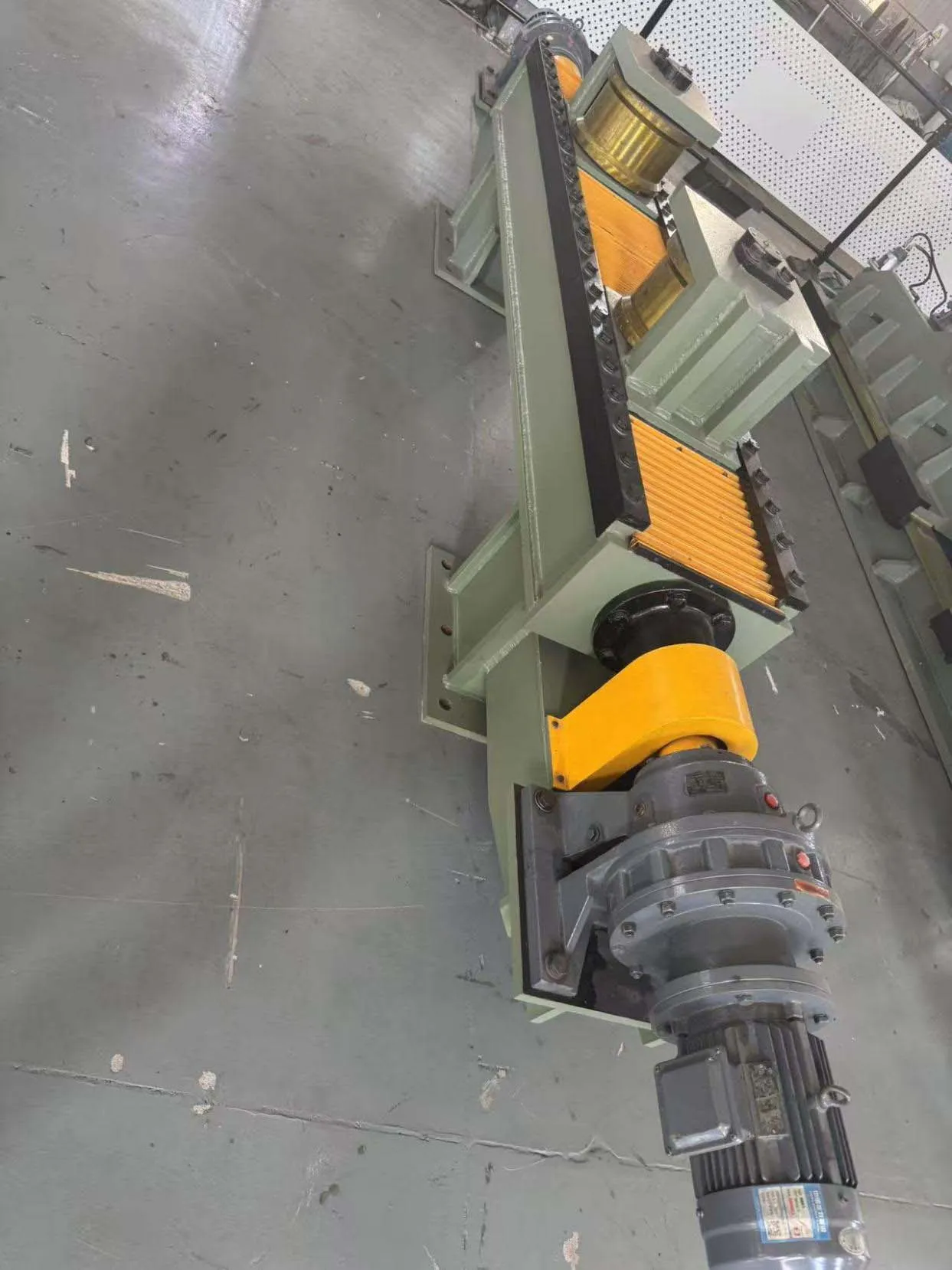
State any preferred forming or welding arrangement, cutting requirements, and whether you need the manufacturer to recommend a configuration. List the spiral mill, pipe-end facing machine, hydrostatic tester, and pipe handling system separately, indicating which items are required, optional, or already available. Specify applicable standards, required non-destructive testing, hydrostatic test conditions, and pipe-end preparation requirements.
4.Quality Standards
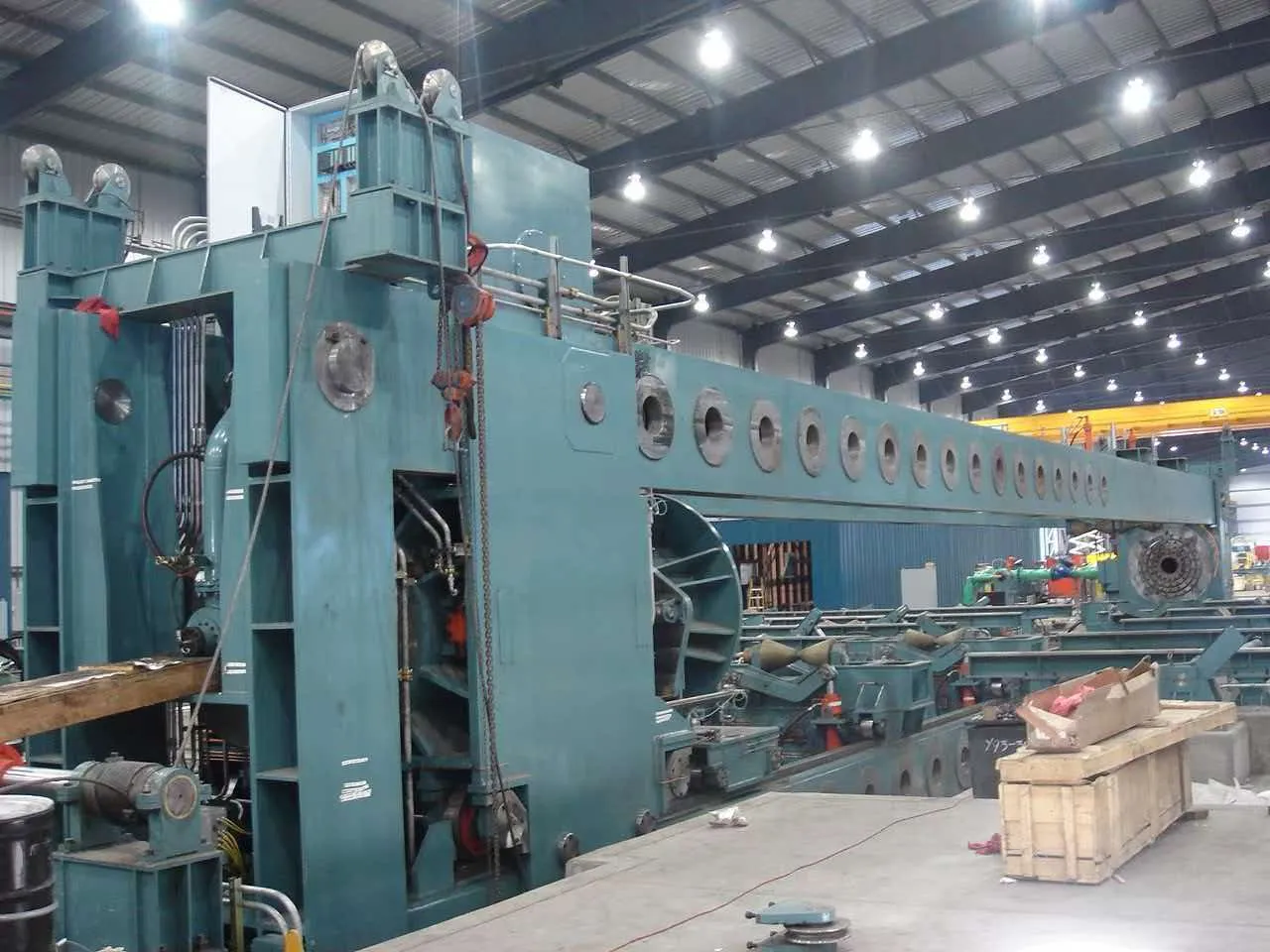
State the standard (e.g., API 5L). Note that hydrostatic testing is a critical step, and specify if NDT is required.
5.Provide Factory Layout and Installation Information
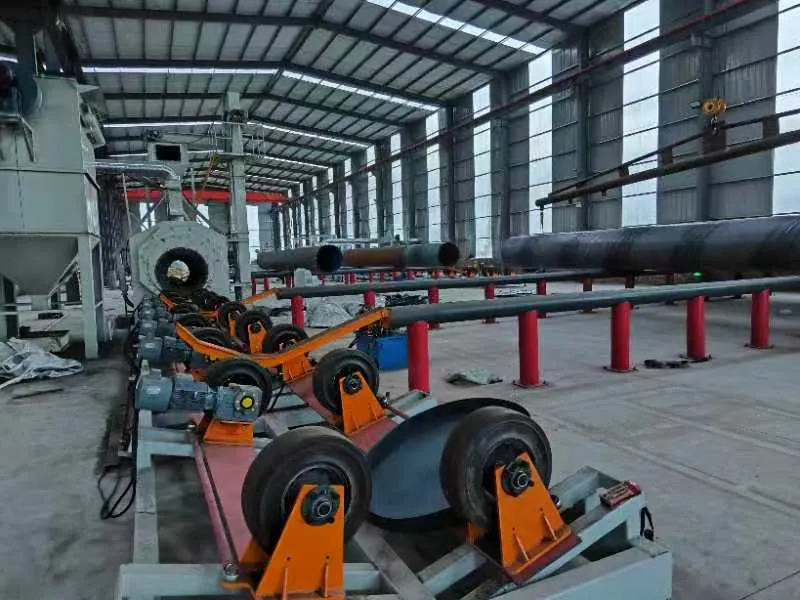
Provide the available floor dimensions, factory layout, lifting capacity, electrical supply, and other known site conditions. Include requirements for coil storage, finished-pipe handling, and equipment access. If a project-specific layout is needed, state this in the RFQ and confirm the supplier’s design scope.
7. Set Delivery, Documentation, and Supplier Qualification Requirements
State the target delivery schedule and identify whether the quotation should cover the main machine only or also auxiliary equipment, installation, commissioning, training, documentation, warranty, and after-sales support. List any required supplier certificates or project references, and ask the manufacturer to distinguish included items from optional services.
Conclusion
A reliable spiral pipe mill quotation starts with clear product specifications, steel coil data, production targets, inspection requirements, and site information. Buyers should distinguish confirmed requirements from estimates and clarify the required equipment and service scope. This gives the manufacturer a sound basis for preparing a technically relevant proposal.
FAQ
1. Can I request a quotation if I do not know the exact mill model?
Yes. Provide the required pipe dimensions, material specifications, production targets, and site conditions, then ask the manufacturer to recommend a suitable configuration.
2. Should I state annual output or hourly production speed?
Provide your annual output target, operating schedule, and main product sizes. If hourly output or line speed is critical, ask the supplier to state the conditions used for its estimate.
3. Should inspection equipment be included in the quotation?
List the required inspection methods and ask the supplier to identify which equipment is included, optional, or excluded from the quoted scope.
4. What should I do if some specifications are not confirmed?
Mark estimated values clearly and list the open questions. Ask the manufacturer which details are needed to finalize the technical proposal.