English
×
Search
Before the production line arrives, customers need to prepare suitable workshop space, equipment foundations, power supply and other supporting conditions. A well-prepared site helps reduce installation delays, avoid additional construction work, and improve communication between staffs from different teams. Unlike the installation procedure, this guide focuses on the pre-installation requirements that customers should complete before the spiral welded pipe production line arrives.
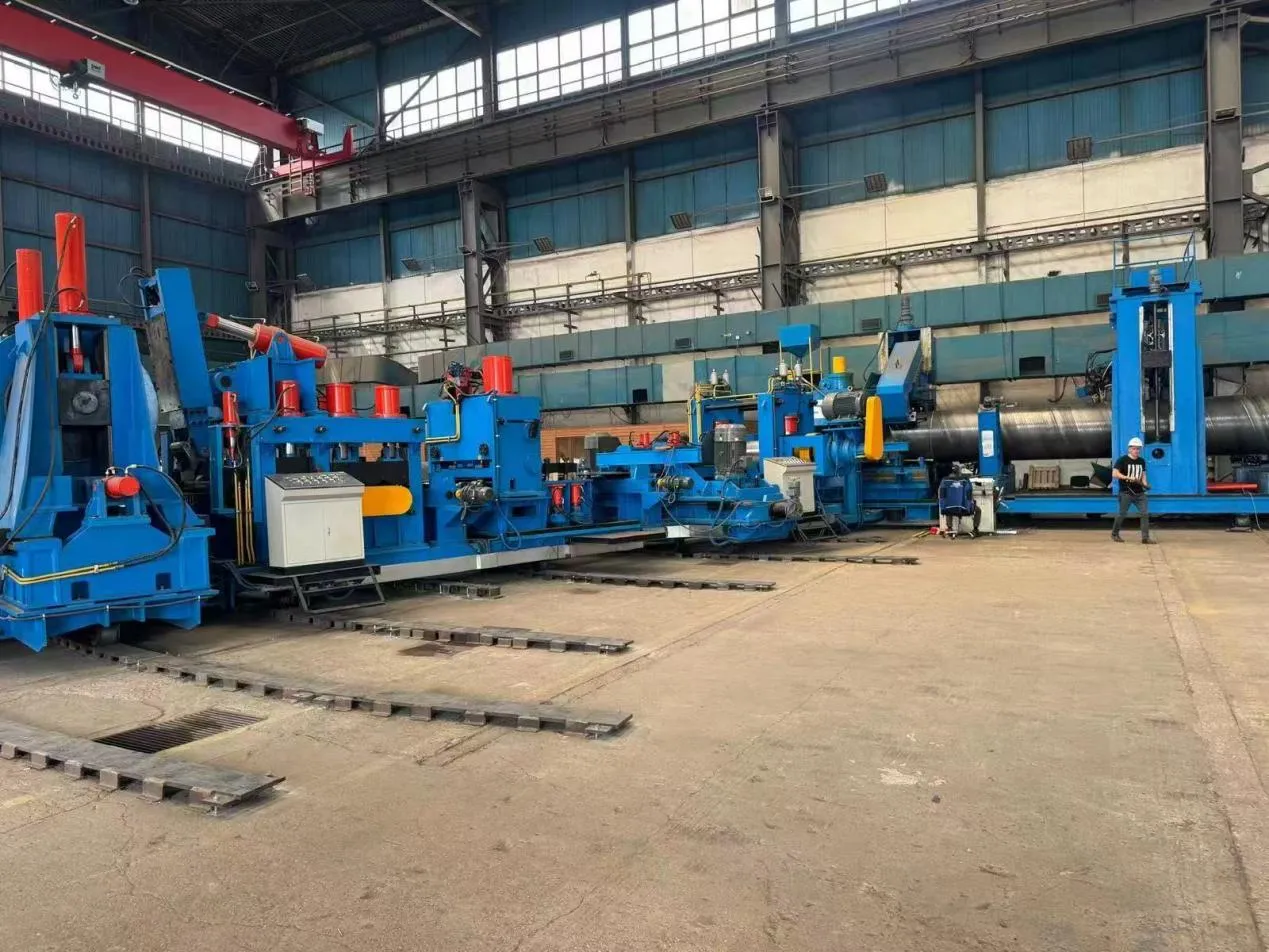
A spiral pipe mill is an integrated production system consisting of multiple sections, including coil handling, forming, welding, sizing, cutting, inspection, and material handling equipment. Each section requires accurate positioning and proper connection with factory utilities.
Before shipment, customers should confirm:
Available workshop space
Foundation conditions
Electrical capacity
Water and air supply
Crane and transportation conditions
Installation access routes
A complete production solution may also include inspection systems after welding and forming processes. Depending on project requirements, equipment such as an ultrasonic pipe tester can be included in the overall factory planning.
The first requirement is a suitable workshop with enough space for equipment installation and future operation.
A spiral pipe production line usually requires space for:
Steel coil storage
Coil loading and preparation
Main forming and welding equipment
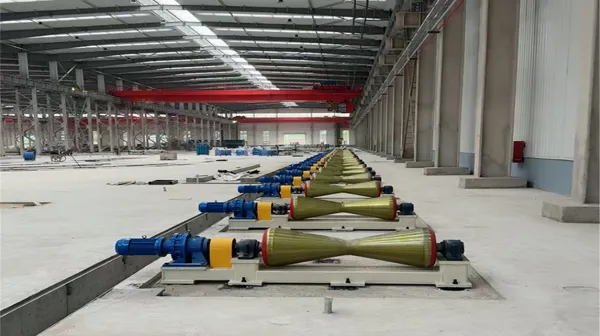
Pipe conveying area
Finished pipe storage
Maintenance and inspection areas
The workshop layout should consider not only the machine footprint but also material movement during production. Steel coils and finished pipes need clear transportation paths to ensure efficient operation. The material transportation should also be considered during layout planning. Equipment such as a steel pipe delivery machine can improve pipe movement efficiency a lot.
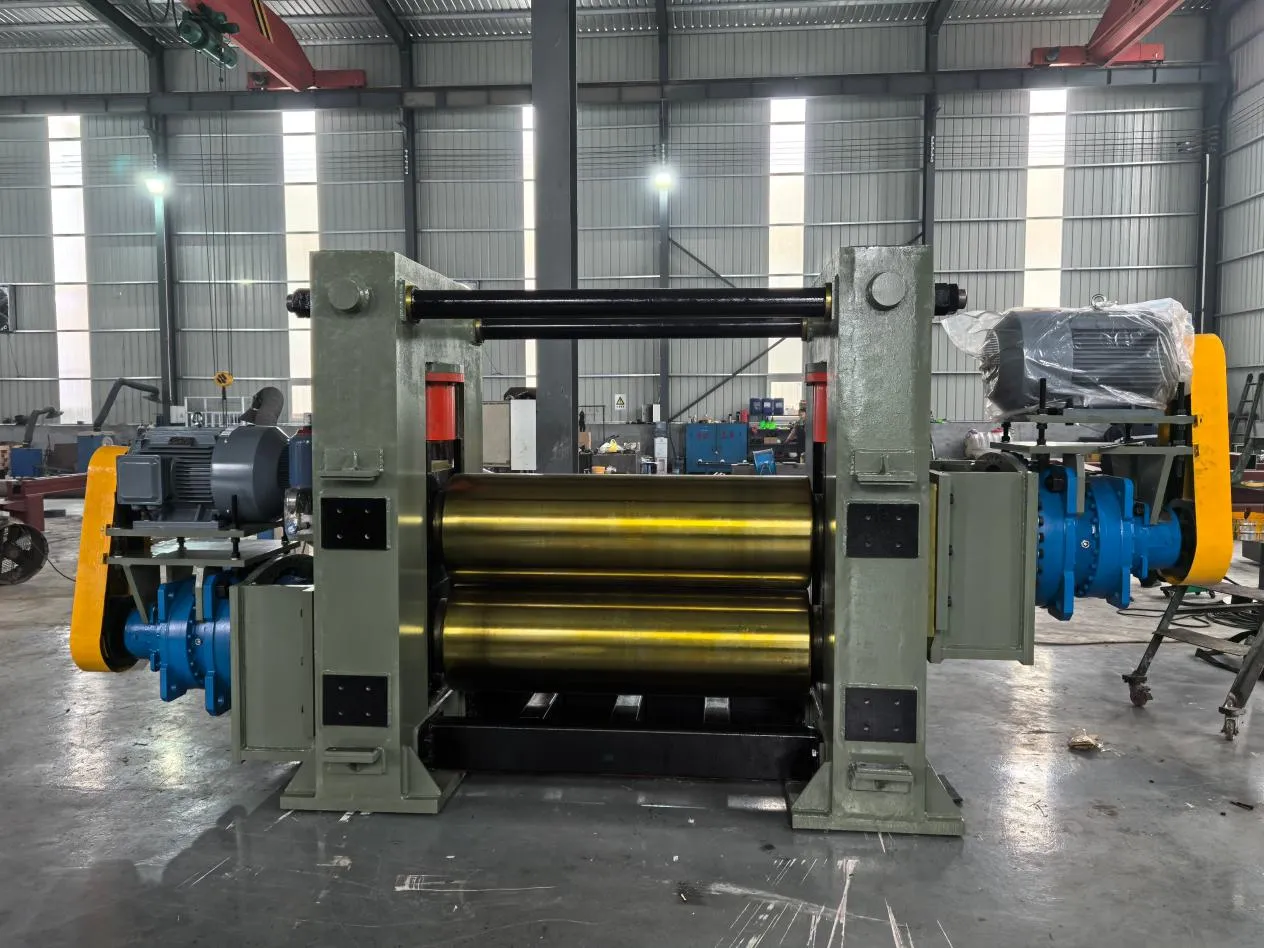
Before equipment arrives, customers should check whether the workshop floor and access routes meet installation requirements.
Important factors include:
Flat and stable workshop floor
Sufficient entrance dimensions
Equipment transportation routes
Installation area accessibility
Storage space for delivered components
Large equipment sections may require cranes or forklifts for unloading and positioning. Therefore, the route from the unloading area to the installation position should be planned in advance.
The foundation is one of the most important site conditions before installation.
Customers should prepare the foundation according to the technical drawings provided by the equipment supplier, including:
Equipment positioning lines
Foundation dimensions
Anchor bolt locations
Load-bearing requirements
Installation reference points
For large industrial equipment, foundation preparation should normally be completed before machine arrival to avoid delaying installation work.
Before installation starts, the foundation should be checked to confirm that it meets technical requirements.
The inspection normally includes:
Level measurement
Position verification
Embedded parts checking
Concrete strength confirmation
Installation area cleaning
Foundation accuracy directly affects equipment alignment, forming stability, and long-term operating performance. If the foundation does not meet requirements, it will take more time to adjust installation.
A stable electrical supply is essential for operating a spiral pipe production system.
Before installation, customers should confirm:
Factory voltage standard
Power frequency
Available electrical capacity
Main power connection location
Cable routing plan
Grounding system
The electrical system should be prepared according to the technical specifications provided by the manufacturer.
Before commissioning, the factory electrical team should coordinate with the equipment supplier regarding:
Electrical cabinet placement
Cable connection points
Control system requirements
Safety protection systems
Some auxiliary functions of a spiral pipe mill require compressed air support.
Before equipment installation, customers should confirm:
Air supply availability
Required pressure level
Pipeline connection location
Air quality conditions
Compressed air may support pneumatic components, valves, and auxiliary mechanisms.
Hydraulic systems are commonly used for equipment adjustment and auxiliary operations.
Preparation should include:
Hydraulic connection area
Oil supply conditions
Maintenance space
Pipeline installation planning
Consider keeping sufficient maintenance space around hydraulic components to make future operation and servicing easier.
Depending on the production line configuration, water systems may be required for equipment cooling, welding process cooling, and auxiliary systems.
Before installation, customers should confirm:
Water source availability
Flow capacity
Cooling equipment
Water circulation system
Drainage conditions
A reliable cooling system helps maintain stable equipment performance during continuous production.
Because spiral pipe production equipment includes large and heavy components, manufacturers need suitable lifting facilities before unloading.
Customers should prepare:
Overhead crane or mobile crane
Suitable lifting tools
Forklift equipment when necessary
Qualified operators
The lifting capacity should match the weight of each equipment section.
Before shipment arrives, the factory should confirm:
Container unloading location
Temporary storage area
Transportation route inside the workshop
Installation sequence
Before equipment delivery, customers should review technical documents with the manufacturer, including:
General layout drawing
Foundation drawing
Electrical requirements
Water and air requirements
Equipment list
Successful installation requires cooperation between multiple parties, including:
Equipment manufacturer
Factory owner
Civil construction team
Electrical contractors
Operators
Early communication helps identify potential issues before equipment arrives and improves project execution efficiency.
| Preparation Item | Key Requirements |
|---|---|
| Workshop | Enough space for installation, operation, and maintenance |
| Foundation | Completed according to equipment drawings |
| Electricity | Stable industrial power supply prepared |
| Compressed Air | Required air connection available |
| Water System | Cooling water facilities ready |
| Crane | Suitable lifting capacity available |
| Documents | Layout and technical requirements confirmed |
A complete pre-installation plan allows equipment suppliers and customers to coordinate efficiently, reduce unexpected problems, and create better conditions for stable spiral welded pipe production. For overseas steel pipe projects, early preparation is of much more significance.
For steel pipe manufacturers, installation planning should consider both production equipment and quality inspection systems. Integrating equipment such as a hydrotester machine into the early project planning stage helps customers prepare the required situations in advance.