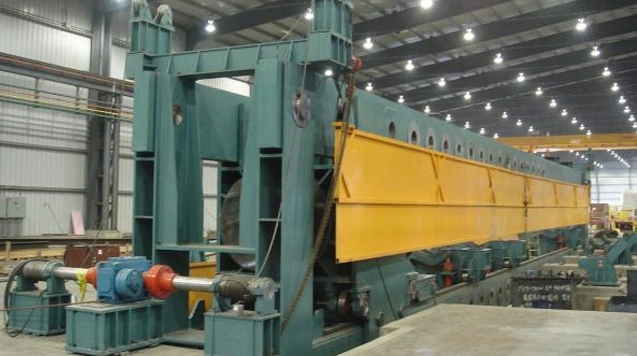
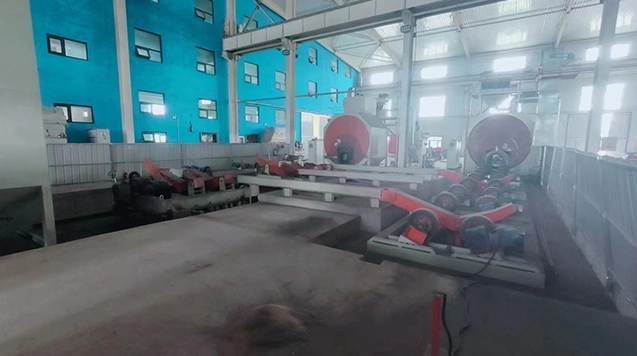
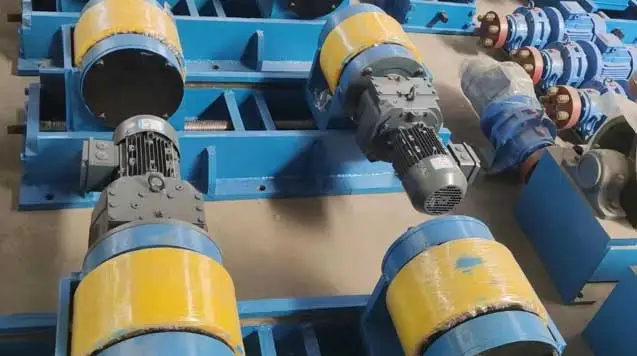
SSAW Pipe Mill vs ERW Pipe Mill: Which Is Better for Large-Diameter Welded Pipe Production?
When planning a welded pipe plant, buyers compare spiral submerged arc welding (SSAW) with electric resistance welding (ERW). ERW suits repeat production of small- and medium-diameter pipes; SSAW often suits large diameters and mixed sizes. Selection depends on dimensions, grade, standards, product mix, and investment. LSAW is another option for some heavy-wall applications.
1. SSAW Pipe Mill vs ERW Pipe Mill: Key Differences
Factor | SSAW Pipe Mill | ERW Pipe Mill |
Typical range | Large diameters, multiple sizes | Mainly small- and medium-diameter |
Forming | Adjustable helical forming | Straight-seam roll forming |
Welding | Internal and external SAW | High-frequency resistance welding |
Production focus | Flexible product mix | High-speed repeat production |
Typical uses | Water transmission, piling, structural pipe | Distribution, structural tubing, mechanical uses |
2. Large-Diameter Welded Pipe Production: Diameter Range
Diameter is often the first selection factor. ERW limits depend on equipment, strip width, and wall thickness. SSAW adjusts its helix angle to make different diameters from compatible strip widths. TXH lists configurations from 508 to 3,100 mm OD, depending on setup. Request a diameter and wall-thickness matrix and review large diameter spiral welded steel line options.
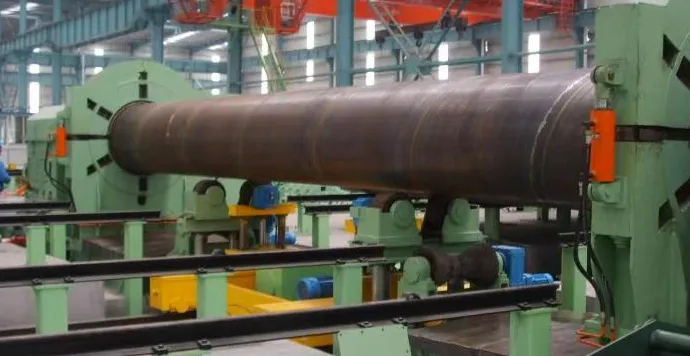
3. Steel Coil Flexibility in SSAW and ERW Pipe Mills
Both processes use coil, but strip-width requirements differ. ERW roll-forming links strip width and tooling to finished size. SSAW adjusts the forming angle to make several diameters from a compatible coil width. Confirm coil width, thickness, weight, diameter, grade, yield strength, and edge condition; material availability affects cost and scheduling.
4. SSAW and ERW Pipe Forming and Welding Processes
ERW: Rolls form strip into a tube; high-frequency current heats the edges and squeeze rolls forge a longitudinal seam. The pipe is sized, straightened, and cut. See the ERW pipe manufacturing process.
SSAW: Leveled strip enters a spiral forming system; inner and outer seams are commonly welded by SAW using wire and flux. Cutting, end preparation, hydrotesting, and NDT may follow. Evaluate the spiral welded pipe production line against diameter, wall thickness, and output.
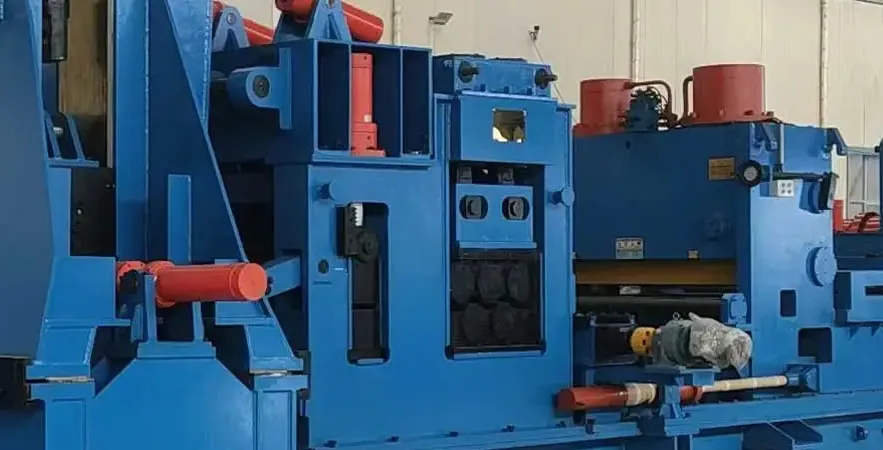
5. Pipe Mill Capacity: High-Speed ERW or Flexible SSAW?
ERW offers high speeds for stable, repeat specifications. SSAW can suit mixed orders across larger diameters. Compare output using the same dimensions, material, welding requirements, cycle time, operating hours, downtime, and acceptance rate. The supplied material estimates a 10–15% ERW cost advantage in comparable projects, but this is not universal. Costs also depend on coil, tooling, labour, energy, and inspection.
6. Welded Pipe Applications: When to Choose SSAW, ERW or LSAW
ERW suits distribution, fire-protection, structural, scaffolding, and mechanical uses within its range. SSAW is considered for large water transmission, drainage, piling, foundations, ventilation, and permitted lower-pressure pipelines. For critical high-pressure service, assess the standard, grade, environment, and design; LSAW may be specified for some large-diameter or heavy-wall applications.
7. Pipe Mill Standards, Inspection and Quality Control
Confirm the standard and edition (GB/T 9711, API 5L, or ISO 3183), PSL, and project requirements. Define NDT methods, coverage, acceptance criteria, calibration, qualifications, and records. Specify hydrostatic pressure and hold time, dimensional tolerances, ovality, reinforcement, and bevels. Include a hydrostatic testing machine or industrial X-ray equipment when required.
8. SSAW and ERW Pipe Mill Equipment: What Should a Quotation Include?
Clarify whether the quotation covers a complete line. An SSAW line may include uncoiling, leveling, edge preparation, forming, inner and outer welding, cutting, controls, and hydraulics. Options include hydrotesting, NDT, end preparation, a steel pipe chamfering machine, marking, and rust prevention. Confirm utilities, layout, foundations, installation, training, spares, warranty, and trial-pipe acceptance.
9. How to Select the Right Pipe Production Line
Prepare a product matrix covering diameter, wall thickness, length, grade, coil dimensions, standard, and annual mix. Compare the large-diameter spiral welded steel line or high-frequency welded steel pipe production line with the required range. Assess output, downstream equipment, inspection, acceptance testing, installation, and service.
FAQs About SSAW Pipe Mills and ERW Pipe Mills
1. Is SSAW better than ERW for large-diameter pipe?
SSAW is often practical for large diameters and multiple sizes, subject to wall thickness, grade, standards, and the supplier's verified range.
2. Can one SSAW mill produce different pipe diameters?
Yes, within its designed range. Request a written diameter and wall-thickness matrix.
3. Why is ERW often chosen for high-volume production?
ERW supports continuous, high-speed production of stable specifications within its qualified range.
4. What information is needed for a pipe mill quotation?
Provide dimensions, grade, coil specifications, standards, inspection requirements, target output, factory conditions, and downstream equipment needs.
Conclusion
ERW suits repeat production of smaller and medium diameters; SSAW offers flexibility for large diameters and varied sizes; LSAW may suit demanding heavy-wall applications. Select against project standards, operating conditions, and verified capability. TXH offers a spiral welded pipe production line.