What Determines the Maximum Pipe Diameter a Spiral Pipe Mill Can Produce?
Introduction
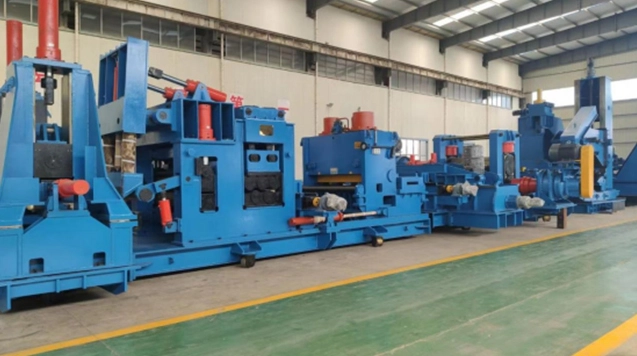
The maximum pipe diameter is one of the most important specifications when selecting a spiral pipe mill. However, a machine’s advertised maximum diameter does not, by itself, establish which pipe sizes it can produce under every operating condition. Buyers must also consider steel coil width, forming angle, machine design, wall thickness, material grade, and the configuration of the complete production line. These factors should be evaluated together when determining whether a mill can meet a project’s requirements.
The Engineering Limits: Coil Width and Forming Angle
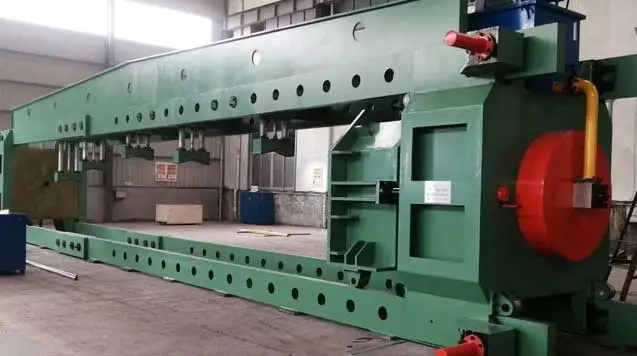
Maximum outside diameter is determined by the combined limits of the forming unit and the production setup, rather than by a catalogue figure alone. Coil width, forming angle, machine design, and the permitted operating range all need to be considered. A wider coil does not automatically guarantee a larger pipe. Buyers should ask the supplier to confirm the feasible OD × WT combinations and identify any operating conditions or limitations that apply to the required specifications.
Wall Thickness and Material Factors
Wall thickness and material grade must be evaluated alongside pipe diameter. Tianxianghao’s Egypt project reference lists a diameter range of 1,400–2,600 mm and wall thicknesses of 1–3 mm. The Vietnam project reference lists diameters of 630–3,220 mm and a maximum wall thickness of 25.4 mm. These figures describe different project specification ranges; they should not be interpreted as proof that every diameter can be produced at every listed wall thickness. Buyers should request confirmation of the exact OD × WT combinations required.
Explore Tianxianghao’s Vietnam Project
Explore Tianxianghao’s Egypt Project
Auxiliary Equipment Matters
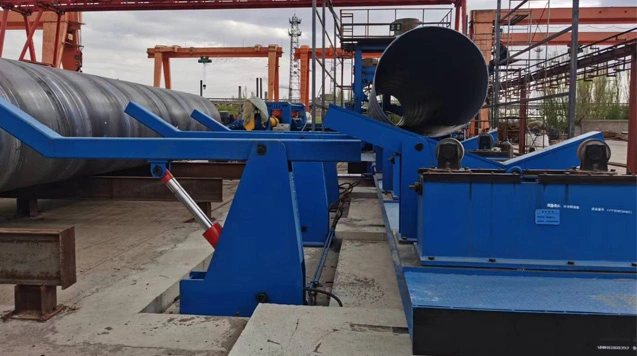
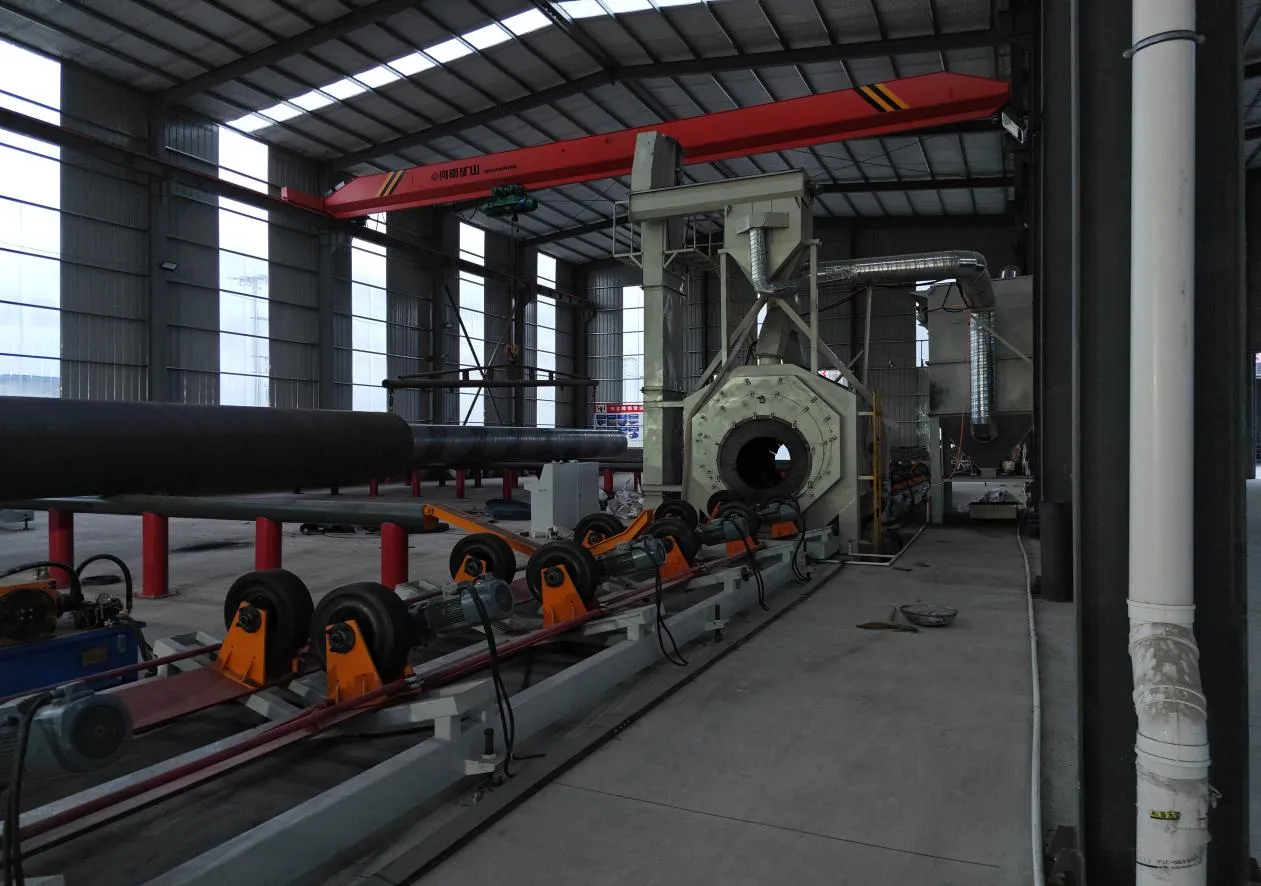
The forming unit is only one part of a production line. Buyers should check whether the pipe handling system can accommodate the required pipe dimensions and weight, and whether any pipe-end facing machine or hydrostatic tester matches the intended specifications.
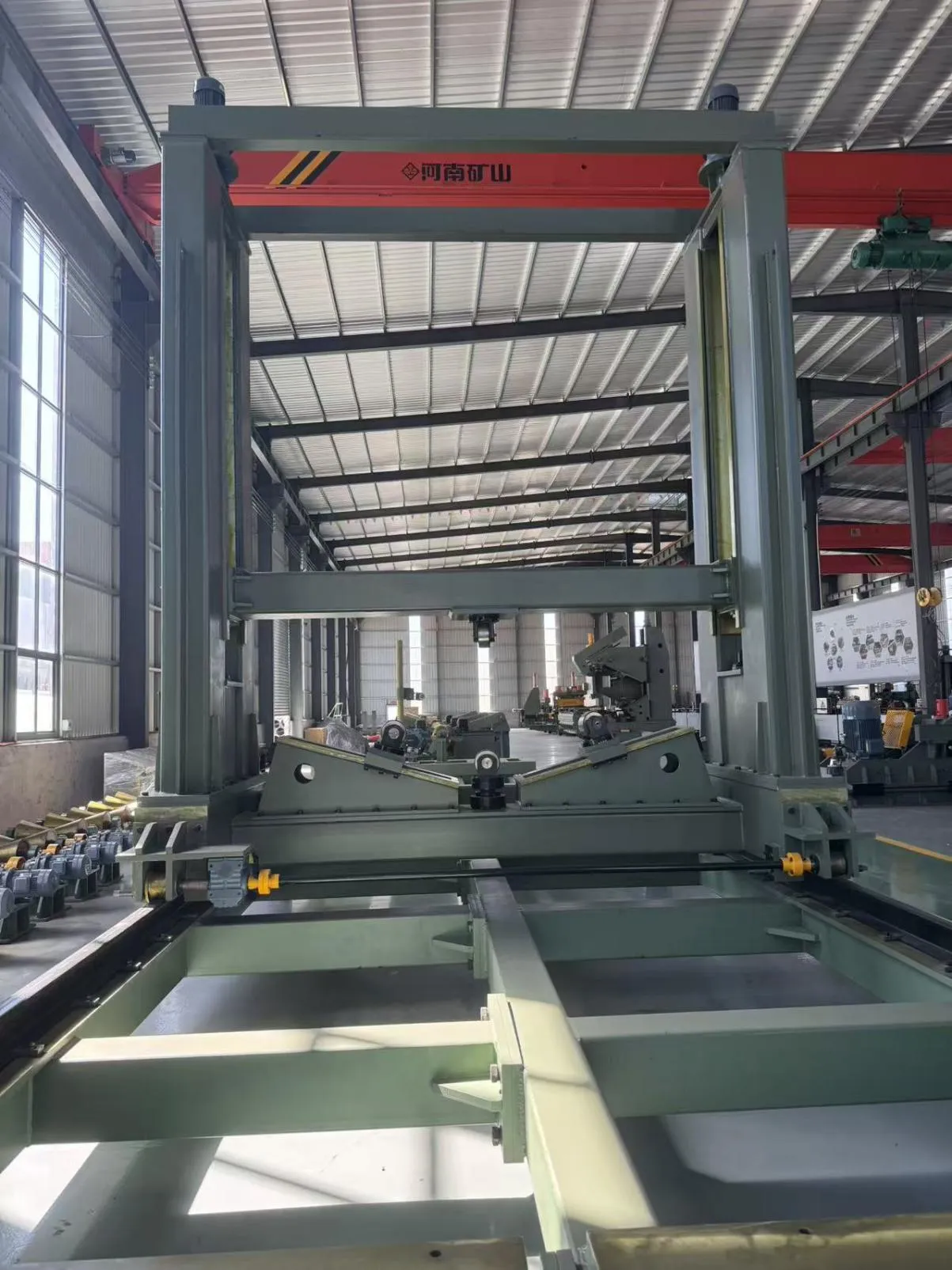
Tianxianghao’s project references include an India pipe-end facing machine for 2,640 mm pipe, a US hydrostatic tester for 254–508 mm pipe, and a Brazil hydrostatic tester for 630–3,620 mm pipe.
Explore Tianxianghao’s India Project
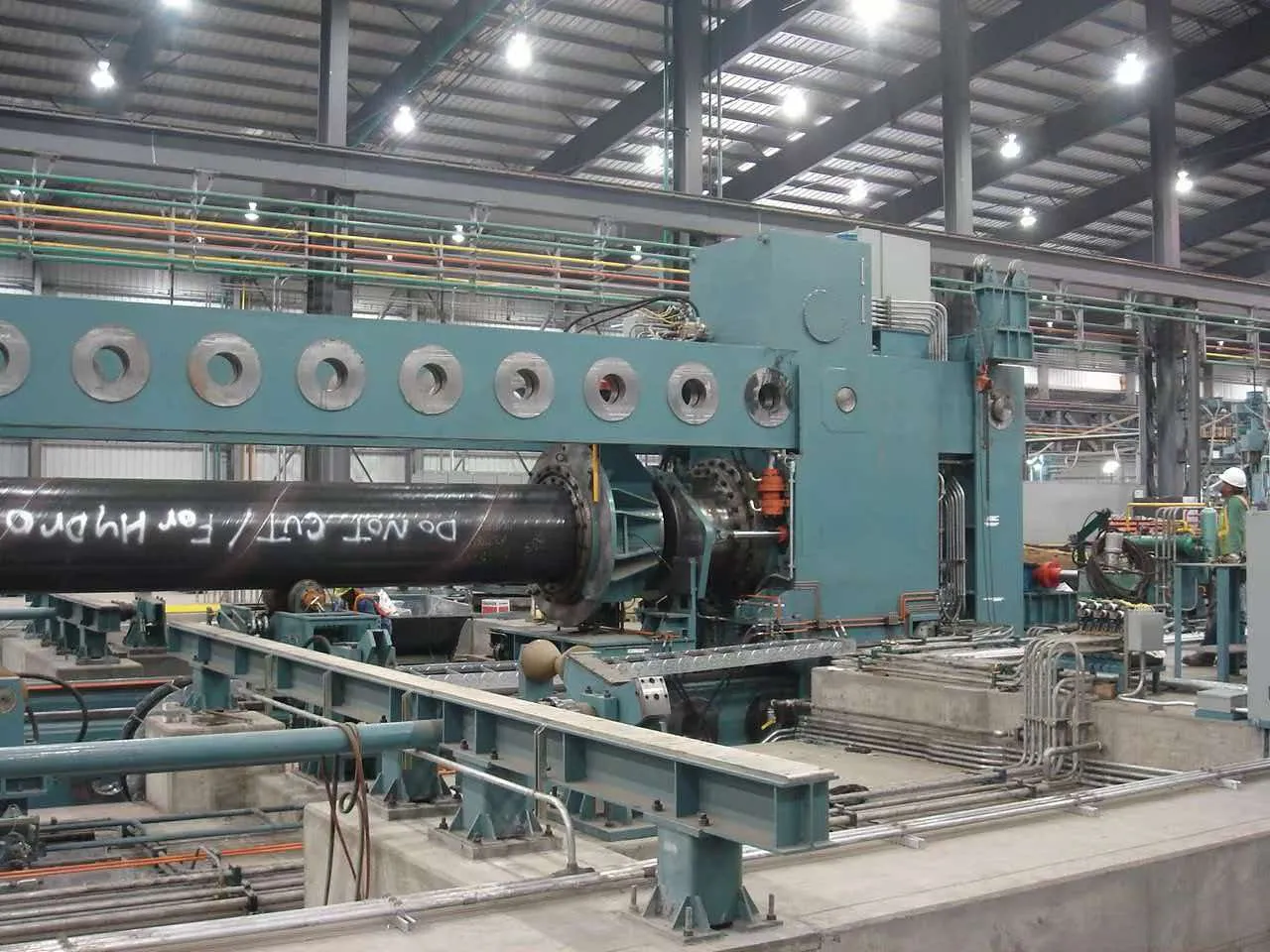
These examples show why auxiliary equipment should be checked against the project’s own requirements; they do not establish that every configuration is suitable for every pipe size.
5. Confirm the Required Diameter Before Ordering
Before requesting a quotation, buyers should provide the minimum and maximum pipe diameters, required wall thicknesses, steel grades, and available coil dimensions. If the maximum diameter is critical, ask the supplier to confirm the relevant machine configuration and the operating conditions under which the target specification can be produced.
Request a proposed line layout, equipment list, and relevant technical documents. Check whether the quotation covers the required forming, welding, cutting, pipe handling, and inspection equipment. Any performance guarantee should state the applicable pipe dimensions, material conditions, and acceptance criteria.
Key Checks for Maximum Diameter Claims
When reviewing a supplier’s proposal, buyers should confirm:
· The required OD × WT combinations, including the maximum-diameter pipe.
· The steel coil dimensions and material grades used for the technical assessment.
· The machine configuration and any stated operating limitations.
· The scope of forming, welding, cutting, pipe handling, and inspection equipment.
· The technical conditions and acceptance criteria attached to any performance guarantee.
Conclusion
A spiral pipe mill’s maximum diameter should be evaluated against the required wall thickness, material, coil dimensions, machine configuration, and auxiliary equipment. Buyers should request a project-specific OD × WT assessment and verify the conditions attached to any stated performance guarantee. This provides a more reliable basis for equipment selection than relying on a single catalogue maximum.
FAQ
1. What is the main factor determining a spiral pipe mill’s maximum diameter?
No single factor determines maximum diameter. Coil width, forming angle, machine design, wall thickness, material grade, and the permitted operating range must be considered together. Buyers should confirm the required OD × WT combinations with the supplier.
2. Does a wider steel coil always produce a larger pipe?
No. Coil width is only one factor in the forming process. The achievable diameter also depends on the forming setup and machine design. Buyers should request the supplier’s technical assessment for their target specifications rather than infer capacity from coil width alone.
3. Can a mill produce its maximum diameter at every wall thickness?
Not necessarily. A stated maximum diameter does not prove that every wall thickness can be produced at that diameter. Request confirmation of the exact OD × WT combinations, including the material and operating conditions relevant to your project.
4. How should buyers verify a supplier’s maximum diameter claim?
Ask for project references, technical specifications, and a written OD × WT assessment for the target pipe sizes. Tianxianghao’s Bangladesh project reference lists a maximum diameter of 3,620 mm, while its Egypt and Vietnam references cover different product specification ranges. Confirm what each reference demonstrates and whether the proposed configuration meets your requirements.