English
×
Search
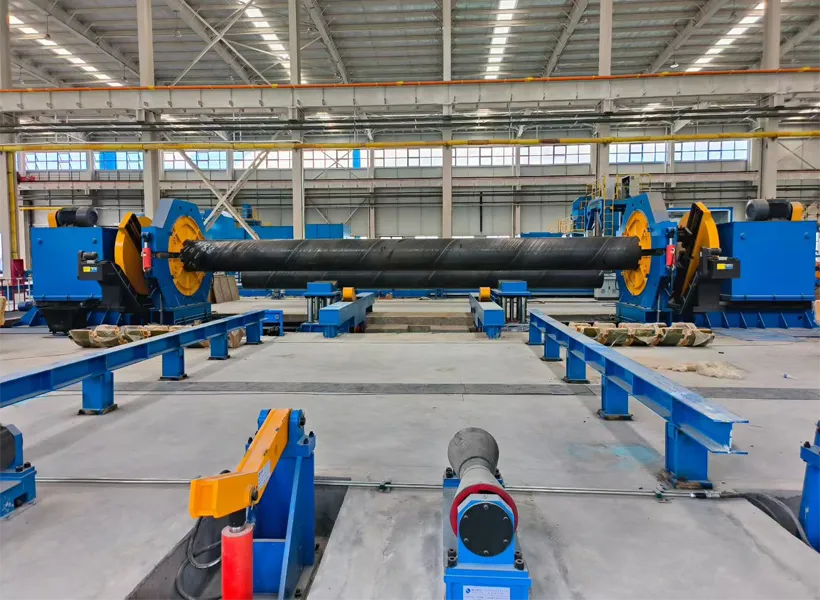
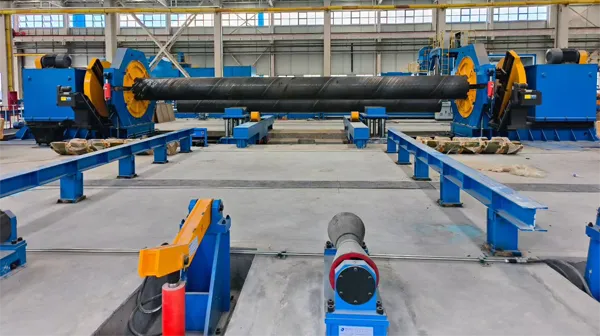
In the high-stakes environment of steel pipe manufacturing, the final preparation of the pipe end is not merely a cosmetic step; it is a critical engineering requirement. Pipe chamfering machines (also known as end-facing and beveling machines) are the gatekeepers of weld integrity. However, even the most robust production lines encounter bottlenecks. From inconsistent bevel angles to premature tool failure, these issues can stall a facility’s throughput. This guide explores the realistic challenges faced by operators and how industry leaders like Tianxianghao provide engineered solutions to overcome them.
One of the most frequent issues in pipe end-facing is “chatter”—vibrations that leave a wavy, inconsistent surface on the chamfered face.
The Reality: High-frequency vibrations often stem from a lack of rigidity in the machine’s main spindle or the clamping mechanism. If the pipe is not centered perfectly (concentricity issues), the cutting tool experiences intermittent loading, leading to rapid wear and poor surface finish.
The Impact: Poor surface finish can lead to “arc strikes” or unstable puddles during the automated welding process, particularly in Spiral Welded Pipe Production Lines.
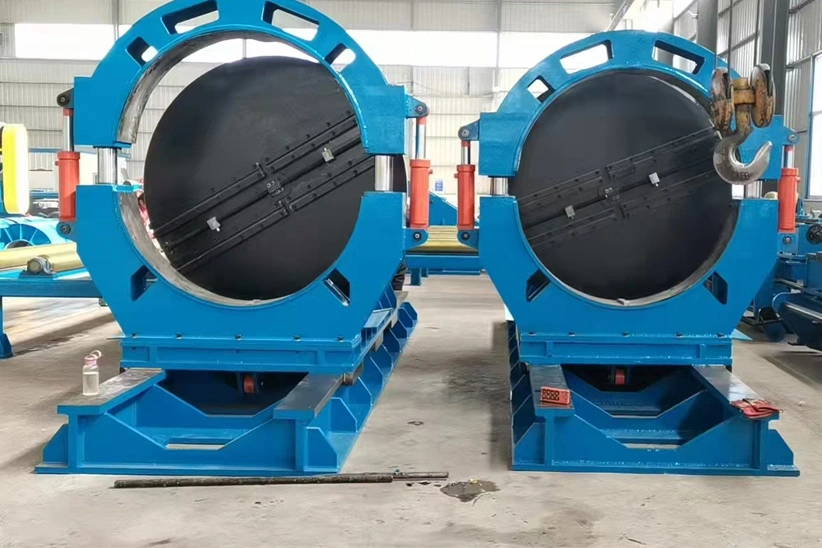
The Solution: Modern machines must utilize heavy-duty hydraulic clamping. Tianxianghao’s pipe chamfering machines are designed with reinforced structural integrity, leveraging the expertise of over 10 senior R&D engineers to ensure that even large-diameter pipes remain vibration-free during high-speed rotation.
As the industry moves toward high-strength alloys (such as X70 or X80 grade steel), traditional High-Speed Steel (HSS) blades often fail prematurely.
Technical Challenge: Harder materials generate immense localized heat at the cutting edge. Without precise feed-rate control, the tool undergoes thermal softening. According to Machinery’s Handbook, incorrect surface footage (SFM) for stainless steel can reduce tool life by 70% in a single shift.
Real-World Fix: Operators must match the blade grade to the material. For stainless steel applications, carbide-tipped inserts with specialized coatings (like TiAlN) are essential. Tianxianghao provides customized machines that allow for variable frequency speed control, enabling operators to fine-tune the RPM based on the specific steel grade being processed.
A common frustration in large-diameter pipe production is the “out-of-square” cut.
The Cause: Often, the issue isn’t the machine itself but the pipe’s “ovality” (non-roundness). If a chamfering machine uses a fixed-radius tool path on an oval pipe, the land thickness (the flat part of the pipe end) will vary around the circumference.
Industry Standard: Most international standards (like API 5L) allow for slight ovality, but the chamfering machine must compensate for this.
The Tianxianghao Advantage: With over a decade of experience serving 100+ enterprises, Tianxianghao integrates floating cutter head technology in their advanced models. This allows the tool to follow the actual contour of the pipe, ensuring a uniform land thickness regardless of minor pipe deformations.
In many factories, downtime occurs not because of mechanical failure, but because of the time required to reset the machine for different pipe diameters.
The Problem: Manual adjustment of limit switches and tool positions is prone to human error. A 5mm misalignment can result in a pipe end that fails ultrasonic testing (UT).
Optimization: Implementing digital readouts and programmable logic controllers (PLCs) reduces the “skill gap” required for operation. Tianxianghao emphasizes technology training as part of their comprehensive after-sales service, ensuring that operators can transition between small and large diameter pipes efficiently using their ISO 9001-certified equipment.
To maintain a competitive edge, maintenance must be predictive, not just reactive.
Hydraulic Systems: Ensure hydraulic oil is filtered to prevent valve sticking, which causes inconsistent clamping pressure.
Alignment Checks: Monthly laser alignment of the conveyor system with the machine center-line prevents “side-loading” on the spindle bearings.
Thermal Monitoring: Use infrared thermometers to check motor temperatures. Excessive heat often indicates belt slippage or bearing fatigue.
Effective operation of pipe chamfering machines is critical for the steel pipe manufacturing process. By understanding common issues such as mechanical problems, operational errors, and material compatibility, manufacturers can preemptively address these challenges. Implementing robust preventative maintenance strategies further solidifies production efficiency. Companies like Hebei Tianxianghao Metallurgical Equipment Manufacturing Co., Ltd. are dedicated to providing innovative solutions and comprehensive support, making them a leading partner in the pipe production industry. Explore more about our cutting-edge machines and services at www.txhmachine.com.