English
×
Search
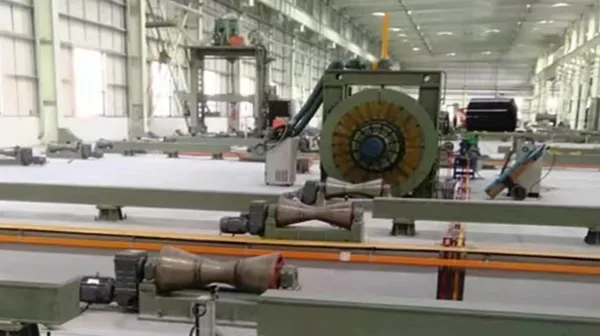
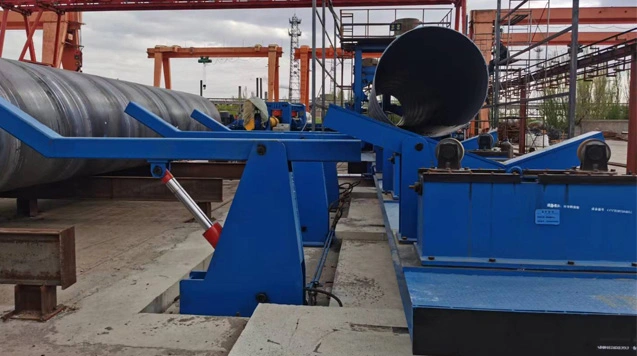
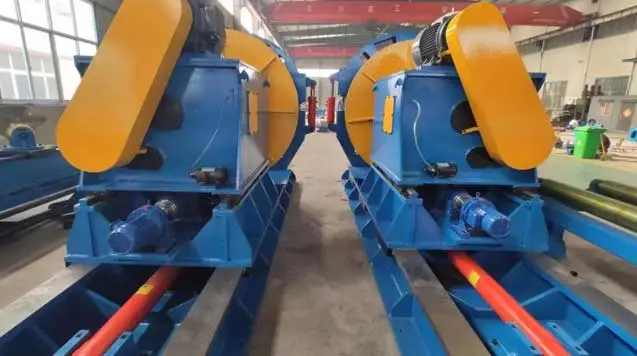
A pipe hydro testing machine is an essential tool for ensuring the integrity and durability of steel pipes used in various industries such as oil and gas, construction, and water transportation. This machine plays a critical role in testing the pressure resistance and strength of pipes, making it indispensable in maintaining high standards of safety and reliability. Regular maintenance of these machines is key to ensuring they operate efficiently over time, avoiding downtime and costly repairs. Furthermore, understanding the various applications of the pipe hydro testing machine is important for optimizing its use across different sectors.
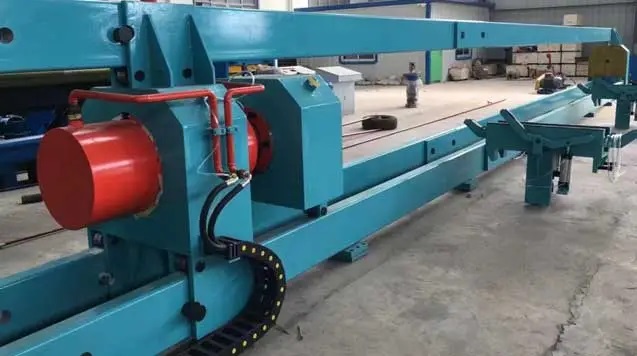
The longevity and reliability of a pipe hydro testing machine depend heavily on proper maintenance. Regular maintenance ensures that the machine continues to provide accurate test results and operates at peak efficiency. Key maintenance tasks include regular inspection of the pressure test chamber and valve components to prevent leaks. The pressure system must be checked periodically for any wear or corrosion that might compromise its ability to withstand high pressure. Additionally, the hydraulic system should be thoroughly examined, as proper fluid levels and quality are essential for smooth operation. Ensuring that the machine's sensors are calibrated correctly is also crucial to maintaining precision in test results. The machine's electrical components, including wiring and controls, should be inspected regularly to avoid malfunctions that could cause test failures. By performing routine checks and timely repairs, operators can minimize the risk of unexpected breakdowns, ensuring the machine's reliability and extending its lifespan.
Pipe hydro testing machines have a wide range of applications across industries, especially those that require reliable, high-strength pipes. One of the primary industries that rely on hydrostatic testing is the oil and gas industry, where pipes are subjected to high-pressure environments. Here, hydro testing ensures the pipes can handle the immense pressure that is generated during the transportation of oil and gas through pipelines. Similarly, in the construction industry, the hydro testing machine is used to verify the strength and durability of pipes used in water systems and sewage lines. Water utilities also rely on these machines to test pipes for leaks and strength before they are installed in public infrastructure. The machine's ability to simulate real-world pressures ensures that pipes are safe for use and can withstand years of operation under harsh conditions. Whether used in production facilities, quality control departments, or testing laboratories, pipe hydro testing machines provide a critical function in ensuring the safety, reliability, and quality of pipes across various sectors.
Pipe safety is of utmost importance in sectors such as oil and gas, water treatment, and construction, where pipe failures can lead to severe consequences, including environmental damage, health risks, and financial losses. A pipe hydro testing machine plays an integral role in guaranteeing pipe safety by verifying that pipes meet the necessary standards for pressure resistance. The testing machine subjects pipes to high pressure, simulating the real-world conditions they will face during use. Any weak points or flaws in the pipes will manifest during testing, allowing manufacturers to identify and address issues before the pipes are deployed in the field. The machine ensures that only pipes that pass the test are approved for use, thus reducing the risk of failure and enhancing overall safety. By using a pipe hydro testing machine, companies can be confident that their pipes will perform reliably under high-pressure conditions.
When selecting a pipe hydro testing machine, it is important to understand the features that ensure efficient and accurate performance. The machine should be equipped with a high-precision pressure control system to apply consistent pressure throughout the test. Advanced data logging capabilities are another important feature, as they allow operators to track and analyze test results over time. The ability to accommodate various pipe sizes is also essential, as it ensures the machine can be used across a wide range of pipe testing applications. Additionally, a robust safety system should be in place to protect both operators and equipment during testing. These features contribute to a more efficient and reliable testing process, ensuring that pipes are safe and meet the required standards.
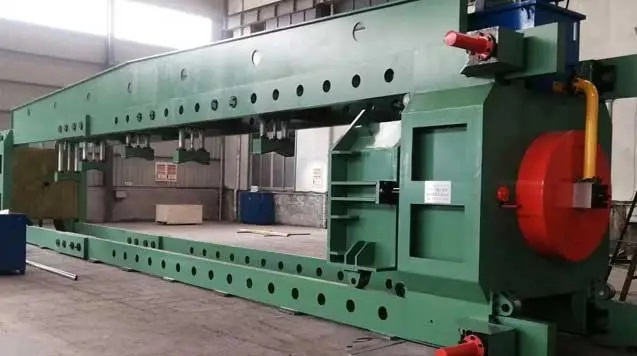
There are several different methods used to test the integrity of pipes, but pipe hydro testing machines remain one of the most widely used and effective tools in the industry. While other methods, such as pneumatic testing or ultrasonic testing, are sometimes used, hydrostatic testing is often preferred due to its simplicity and reliability. In comparison to pneumatic testing, hydrostatic testing has the advantage of being able to simulate the real-world operating conditions of the pipe, making it a more accurate method for evaluating the pipe's ability to handle pressure. Additionally, hydro testing is safer than pneumatic testing, which carries a higher risk of explosions due to the compressed air used. On the other hand, ultrasonic testing is useful for detecting internal defects but does not provide the same level of pressure resistance testing as a hydrostatic test. The table below compares these methods:
Testing Method |
Pipe Hydro Testing |
Pneumatic Testing |
Ultrasonic Testing |
Pressure Resistance |
Tests pipe under real-world pressure conditions |
Simulates pressure, but not as safely as hydrostatic |
Does not simulate pressure conditions directly |
Safety |
Very safe, uses water for testing |
Higher risk of explosions due to air pressure |
Safer than pneumatic, but cannot test pressure |
Accuracy |
Highly accurate for testing strength and durability |
Less accurate due to limited pressure simulation |
Best for detecting internal defects, not pressure |
Versatility |
Suitable for various pipe sizes and pressure levels |
Limited to smaller pipe sizes and specific applications |
Best for smaller-scale defect detection |
By understanding the strengths and limitations of each testing method, manufacturers can choose the most appropriate one based on the specific requirements of their project.
Maintaining a pipe hydro testing machine is crucial for ensuring the quality and safety of steel pipes used in high-pressure environments. Regular maintenance of the testing machine, along with its application in industries like oil and gas, construction, and water treatment, plays a vital role in verifying the strength and durability of pipes. By utilizing a pipe hydro testing machine, manufacturers can ensure that only the highest-quality pipes make it to production, minimizing the risk of failure and ensuring the safety of infrastructure. With the right care and attention, the pipe hydro testing machine will continue to provide reliable, precise testing results for many years to come.
References:
1. Pipe Testing Methods: An Overview
2. Importance of Hydrostatic Testing for Pipeline Safety
3. Hydrostatic Pressure Testing: Why It's Essential