English
×
Search
In the manufacturing process of high-quality steel pipes, ensuring durability, strength, and safety is critical. One of the most important technologies in achieving this is the pipe pressure machine. Specifically designed to test and validate the integrity of steel pipes, these machines use hydrostatic pressure testing to simulate the high-pressure environments pipes will encounter during their operational lifespan. This ensures that each pipe meets rigorous industry standards and can withstand harsh conditions without failure. For industries like oil and gas, construction, and infrastructure, pipe pressure machines are essential tools for verifying the structural integrity of steel pipes before they are used in demanding applications.
A pipe pressure machine is a vital tool in the manufacturing of high-quality steel pipes. The process of hydrostatic pressure testing involves filling the pipe with water and applying pressure to it, simulating the conditions the pipe will face in real-world environments. This method allows manufacturers to identify any weaknesses, leaks, or structural flaws that could lead to failure when the pipe is in use. By subjecting the pipe to pressure greater than its intended operational pressure, the machine ensures that the pipe can withstand the stresses of extreme environments without compromising safety. The use of a pipe pressure machine guarantees that only the most reliable pipes make it to the market, making it an indispensable part of the manufacturing process.
Hydrostatic pressure testing is the standard for validating the quality and strength of steel pipes. This technique is critical because it checks for the pipe's ability to handle high pressure without bursting, leaking, or failing under stress. Steel pipes used in industries like oil and gas, water transportation, and chemical processing often operate in environments where high-pressure conditions are common. Pipe pressure machines are designed to replicate these conditions, ensuring that the pipes can perform as expected over extended periods. The ability of pipe pressure machines to detect even the smallest flaws in pipe integrity helps manufacturers avoid costly mistakes and ensure the reliability of their products, making them essential for maintaining high-quality standards in pipe manufacturing.
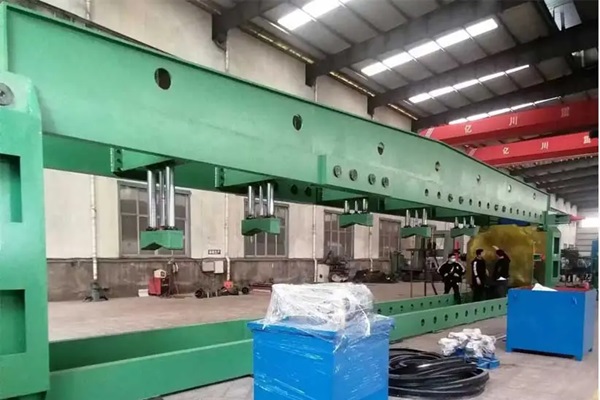
In the world of steel pipe manufacturing, maintaining consistent quality is essential to meet safety standards and performance expectations. Pipe pressure machines play a significant role in ensuring quality assurance throughout the production process. These machines provide precise, real-time measurements that help manufacturers evaluate the structural integrity of each pipe. The machines are designed to apply and measure pressures accurately, ensuring that every pipe undergoes rigorous testing. By identifying defects early in the manufacturing process, pipe pressure machines help reduce the likelihood of product recalls or failures that could have severe consequences in industries where the pipes are critical to operations. With the ability to detect microcracks, weak spots, or other structural imperfections, these machines are indispensable in ensuring that only the highest-quality pipes reach the market.
When it comes to testing steel pipes, manufacturers often need to choose between various pressure testing systems. Two common types of pipe pressure machines are hydraulic and pneumatic systems, each offering its own benefits and limitations. Hydraulic pressure systems use liquid to create pressure within the pipe, which is ideal for testing pipes that need to withstand high levels of stress and force. Pneumatic systems, on the other hand, use air pressure for testing, which is suitable for pipes that will operate under lower pressure conditions.
Here's a comparison of the two types:
Feature | Hydraulic Pressure Testing | Pneumatic Pressure Testing |
Pressure Capacity | Higher, suitable for ultra-high pressure testing | Lower, suitable for standard pressure testing |
Test Medium | Water (for leak detection) | Air (less effective for leak detection) |
Precision | High precision due to liquid's stability | Lower precision compared to hydraulic |
Safety | Higher risk due to higher pressure | Lower risk, safer in certain applications |
Application | Used for high-pressure and critical applications like oil and gas | Ideal for lower pressure, non-critical applications |
In industries that require rigorous testing of pipes intended for extreme conditions, hydraulic pipe pressure machines are often the preferred choice due to their ability to handle higher pressures and provide more accurate results. However, pneumatic machines are commonly used for standard applications where high-pressure resistance is not a primary concern.
As industries continue to demand higher performance and safety standards, the role of pipe pressure machines in steel pipe manufacturing is likely to evolve. Future advancements in pipe pressure machine technology may include automation, enhanced precision, and integration with Industry 4.0 technologies like the Internet of Things (IoT) for real-time data monitoring and analysis. These developments could make pressure testing faster, more accurate, and more efficient, further improving the overall quality of steel pipes. Additionally, the ongoing emphasis on environmental sustainability may lead to the development of more energy-efficient and eco-friendly testing machines. As technology progresses, pipe pressure machines will continue to be essential tools in ensuring the durability, safety, and reliability of steel pipes used in a wide variety of industries.
In conclusion, pipe pressure machines are a crucial technology for ensuring the production of high-quality steel pipes. Their ability to replicate real-world conditions and detect potential flaws in the pipes during the manufacturing process makes them an essential tool in industries where pipe integrity is vital. With advancements in pressure testing technology, the future of pipe manufacturing looks even more promising, with greater precision and efficiency ensuring that only the best products reach the market.
References:
1. Hydrostatic Testing of Pipelines - National Association of Corrosion Engineers
3. Pipe Pressure Testing: Techniques and Technologies - Oil & Gas Journal